
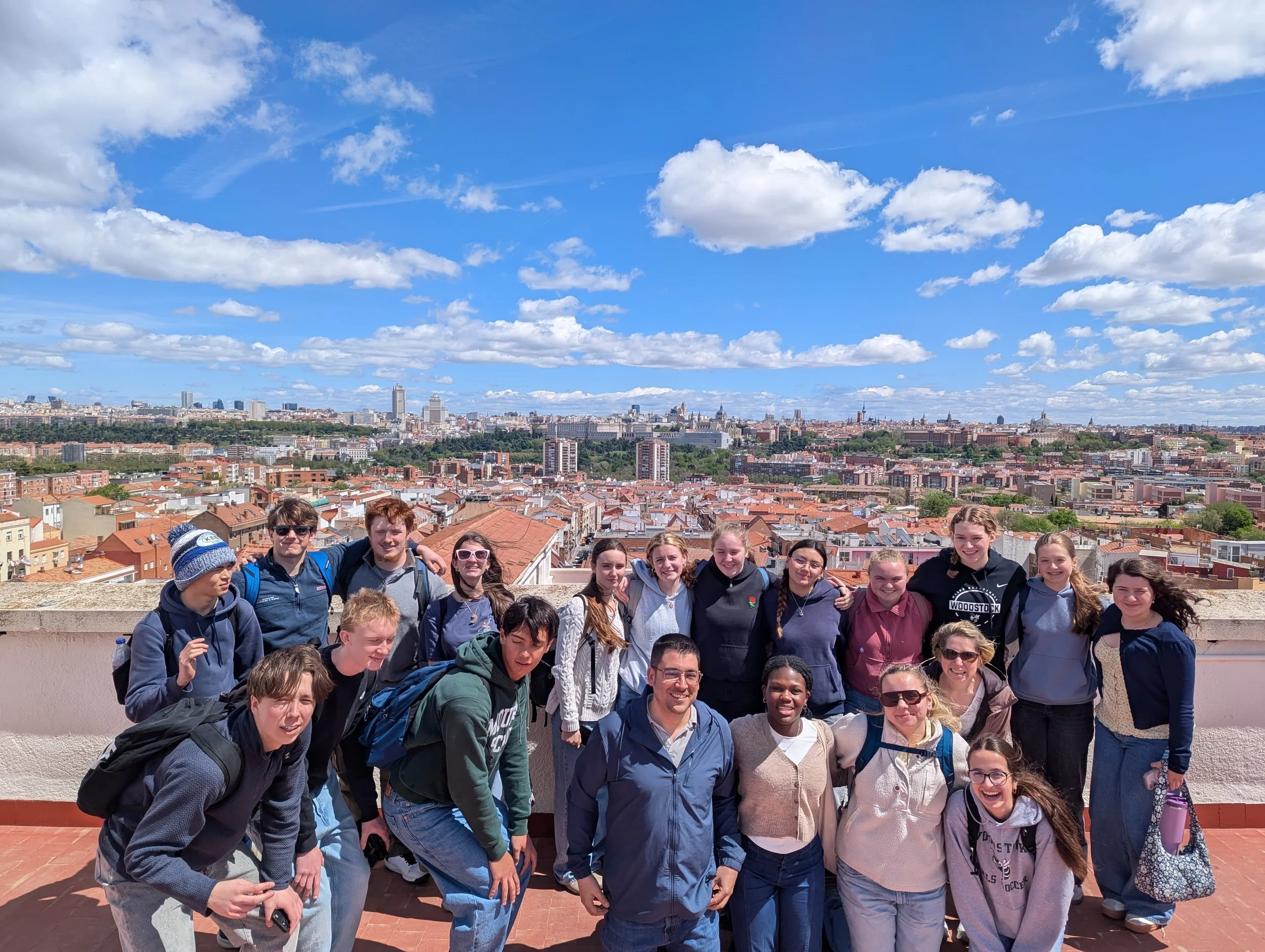
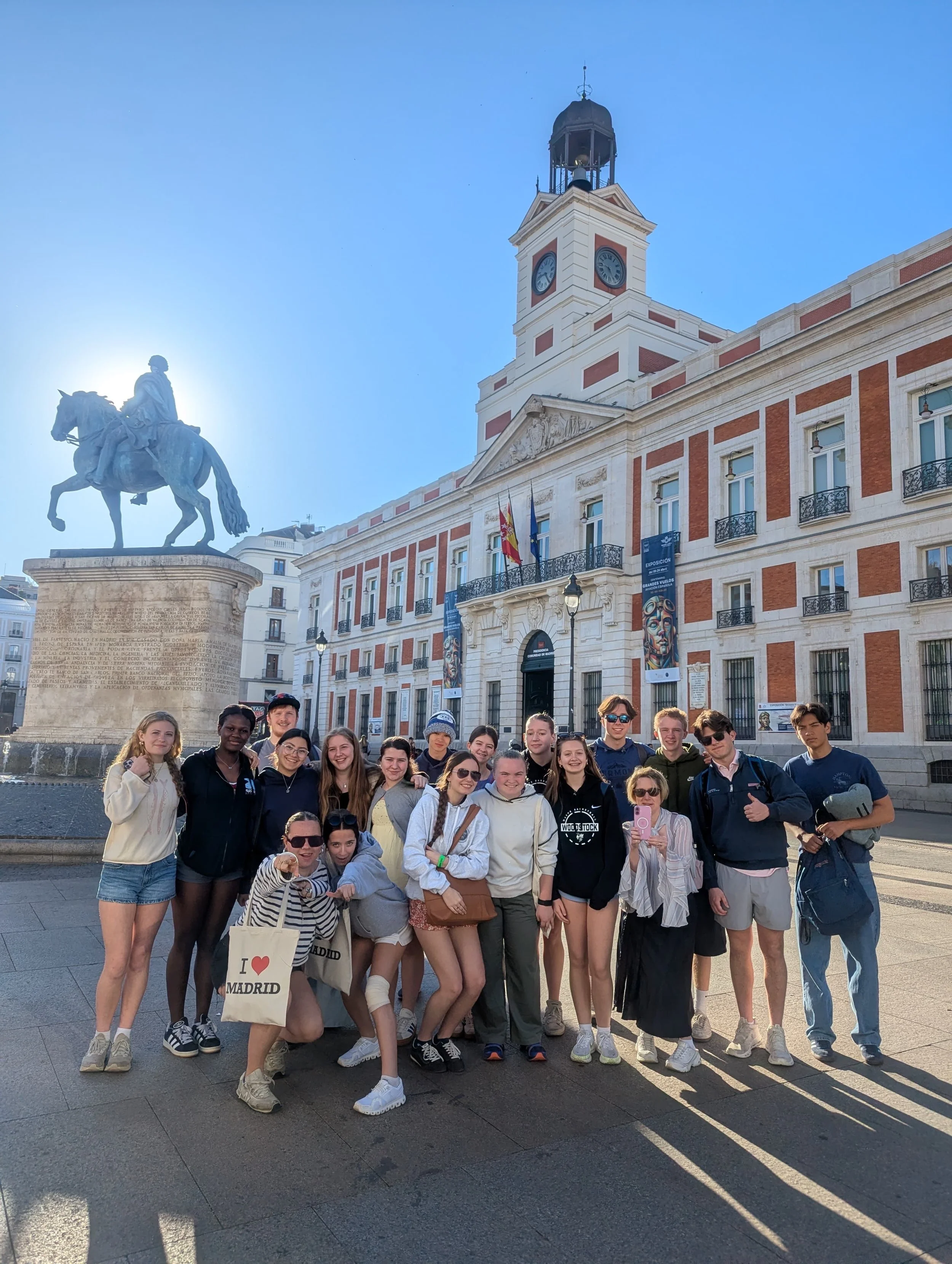
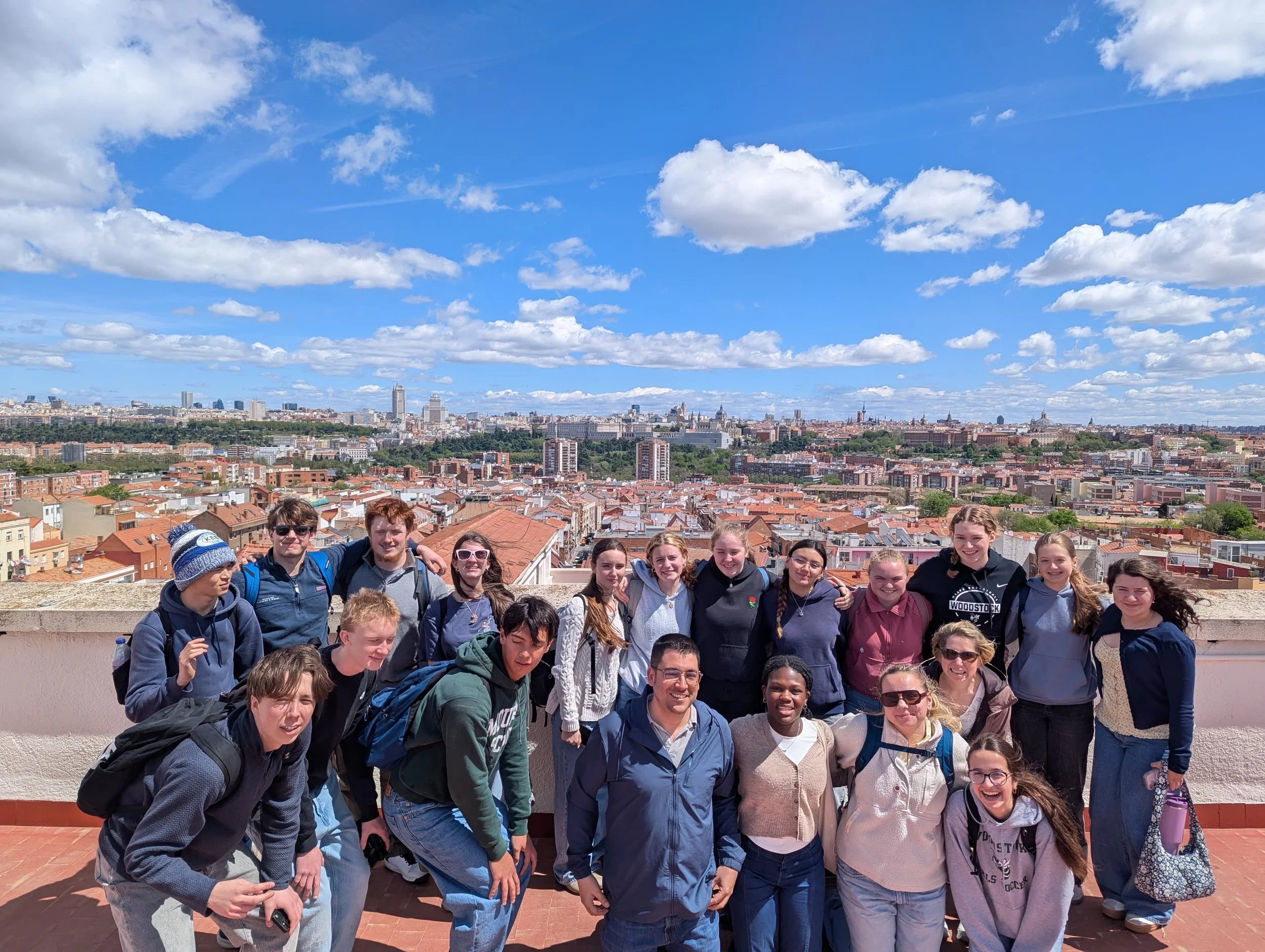
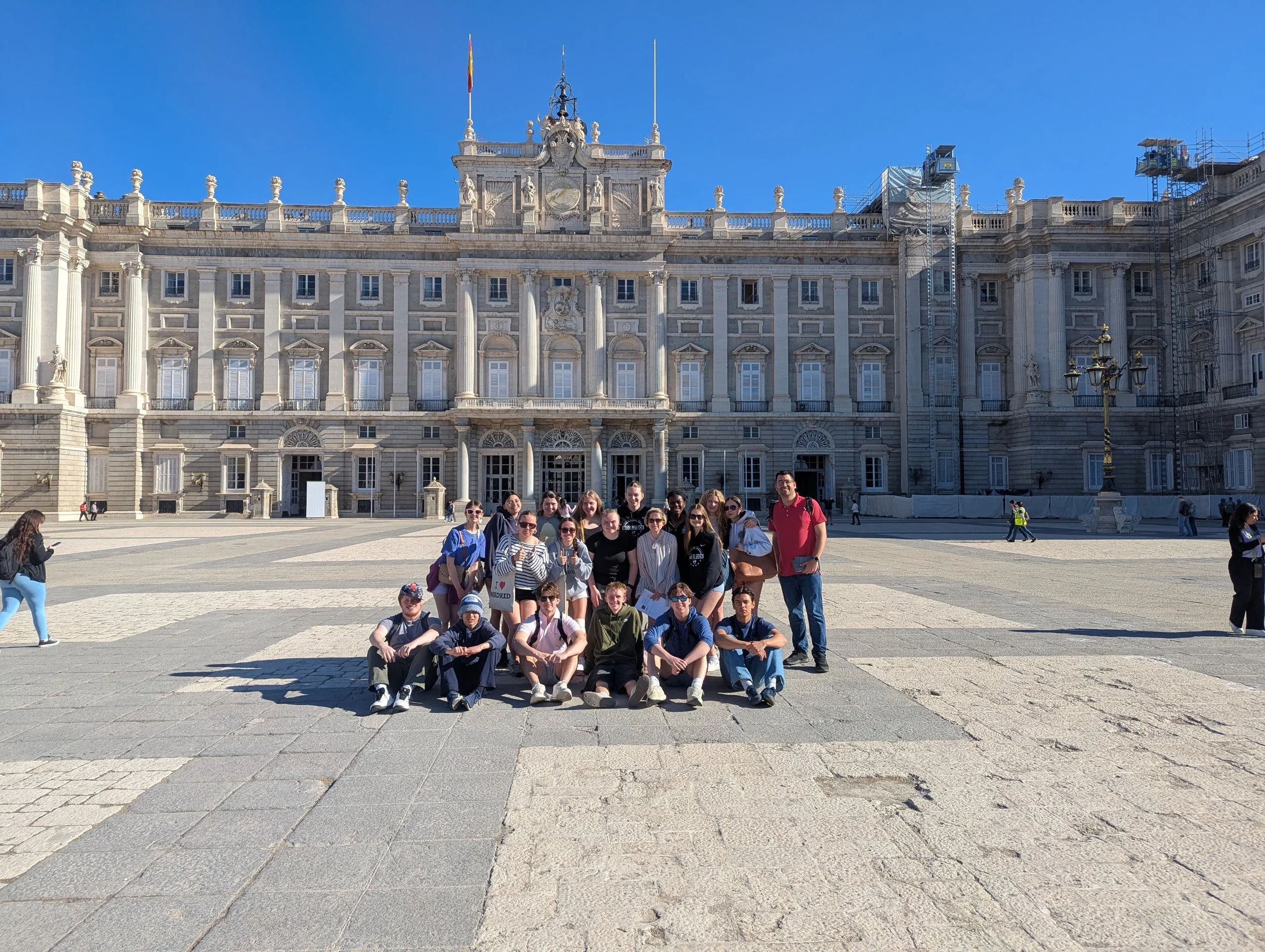
Just before spring break, eighteen students, accompanied by Mr. Villanueva and Mrs. Leibly, swapped our rural countryside for the bustling streets of Madrid, Spain. It was the second half of our exchange program; after hosting our Spanish correspondents in October, it was our turn to see where they live.
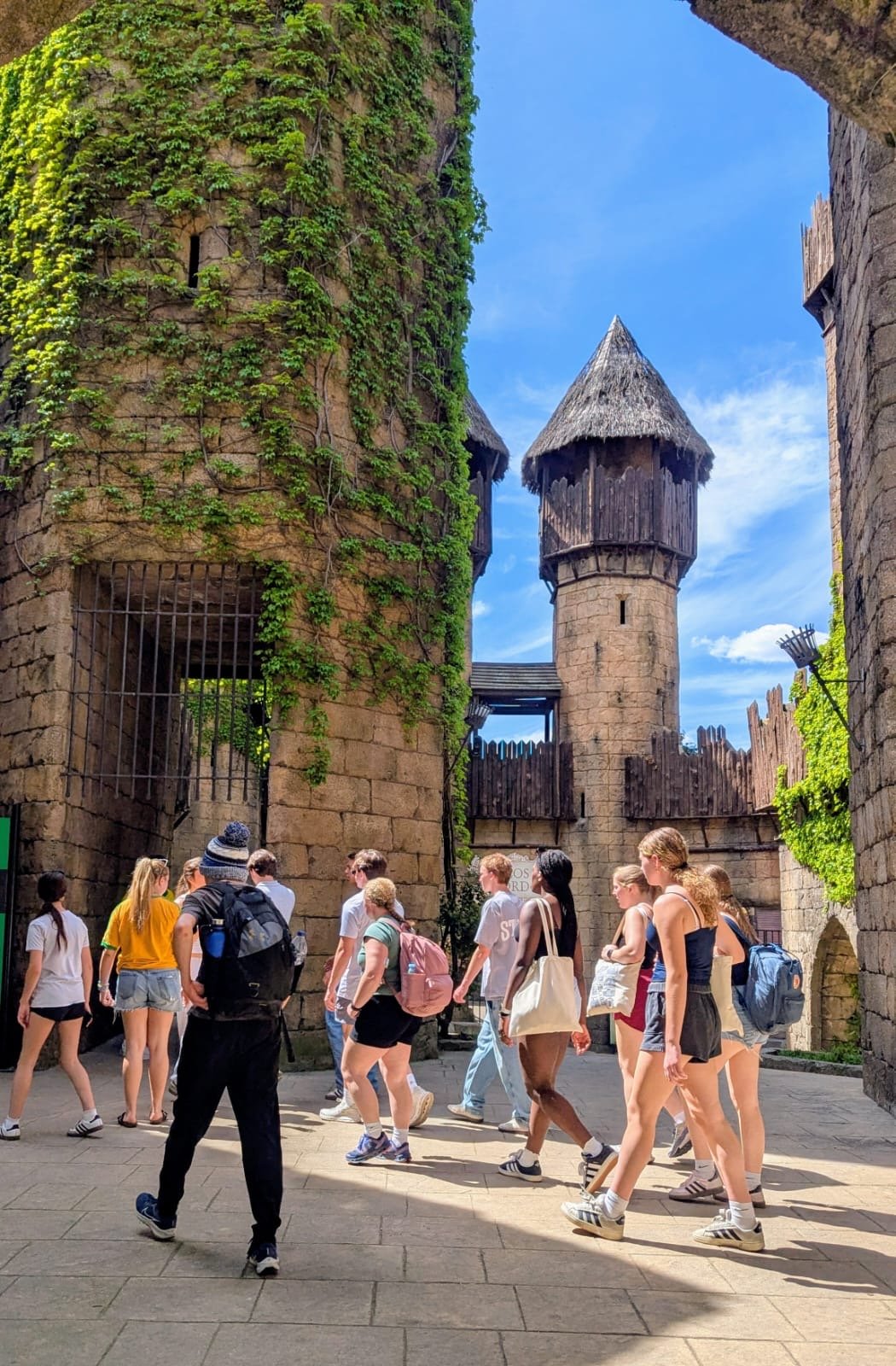
For a group from a small town, the commute was just as much of an adventure as the landmarks! Students navigated the metro (subway) and public bus systems. They also took a sightseeing bus tour and hit the Gran Vía — Madrid's version of Broadway — to go shopping and people watch. We also spent an evening at a flamenco show, watching both dancers and musicians perform. The energy and rhythm were incredible to see in person, especially since we have nothing similar here at home. To round out the city fun, we spent an afternoon at an amusement park.
We packed a lot of history into a few days, including:
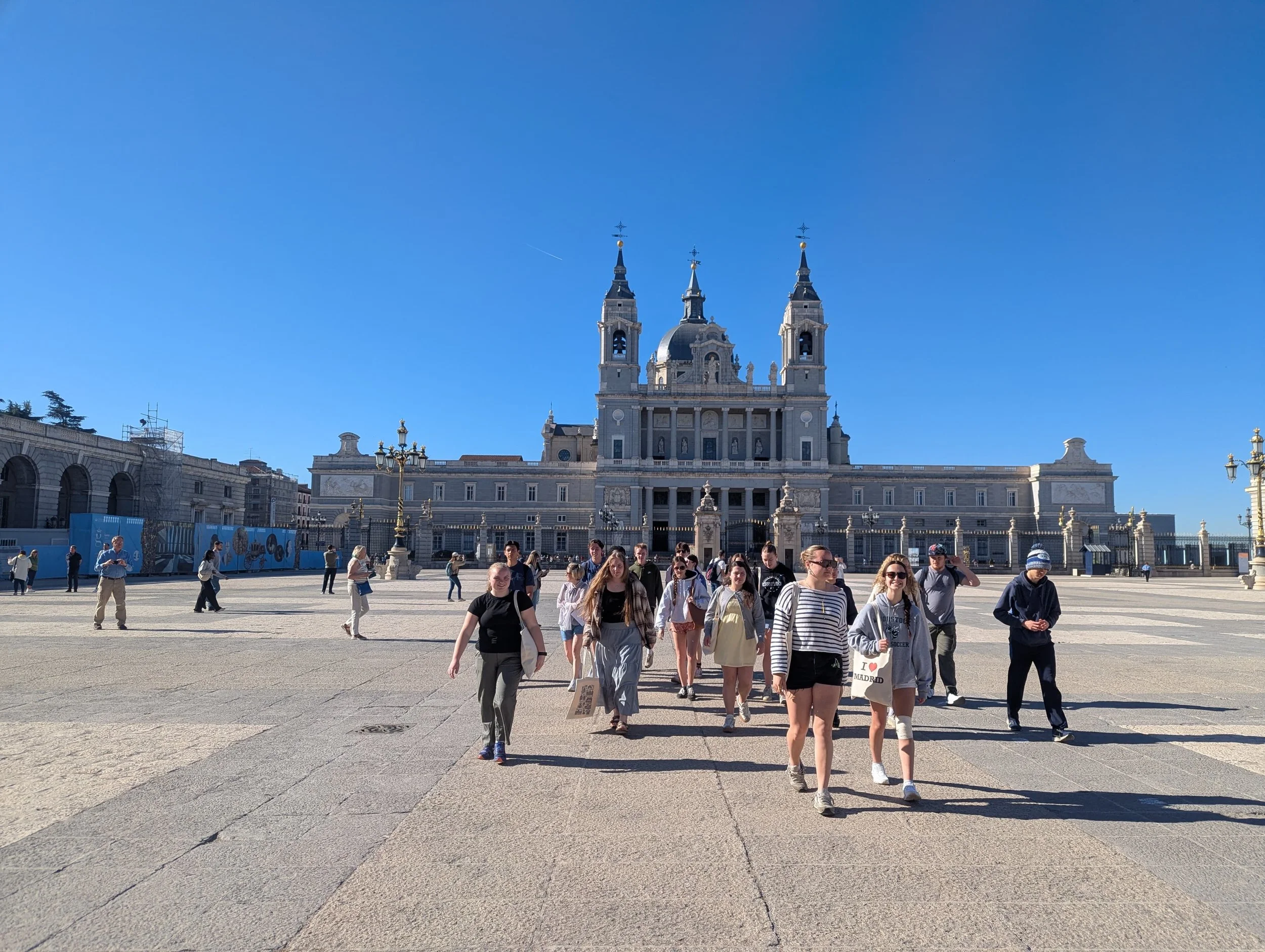
The Royal Palace and the armory where we discovered that medieval armor is Mrs. Leibly-sized. Sadly, the king and queen were not there to greet us.
The Prado Museum, where we turned art history into a scavenger hunt.
The Plaza Mayor, the Main Square which served as the city's central marketplace in the 9th century (and for many centuries after that). Not far from the plaza we saw the world's oldest restaurant, which is even older than our country!
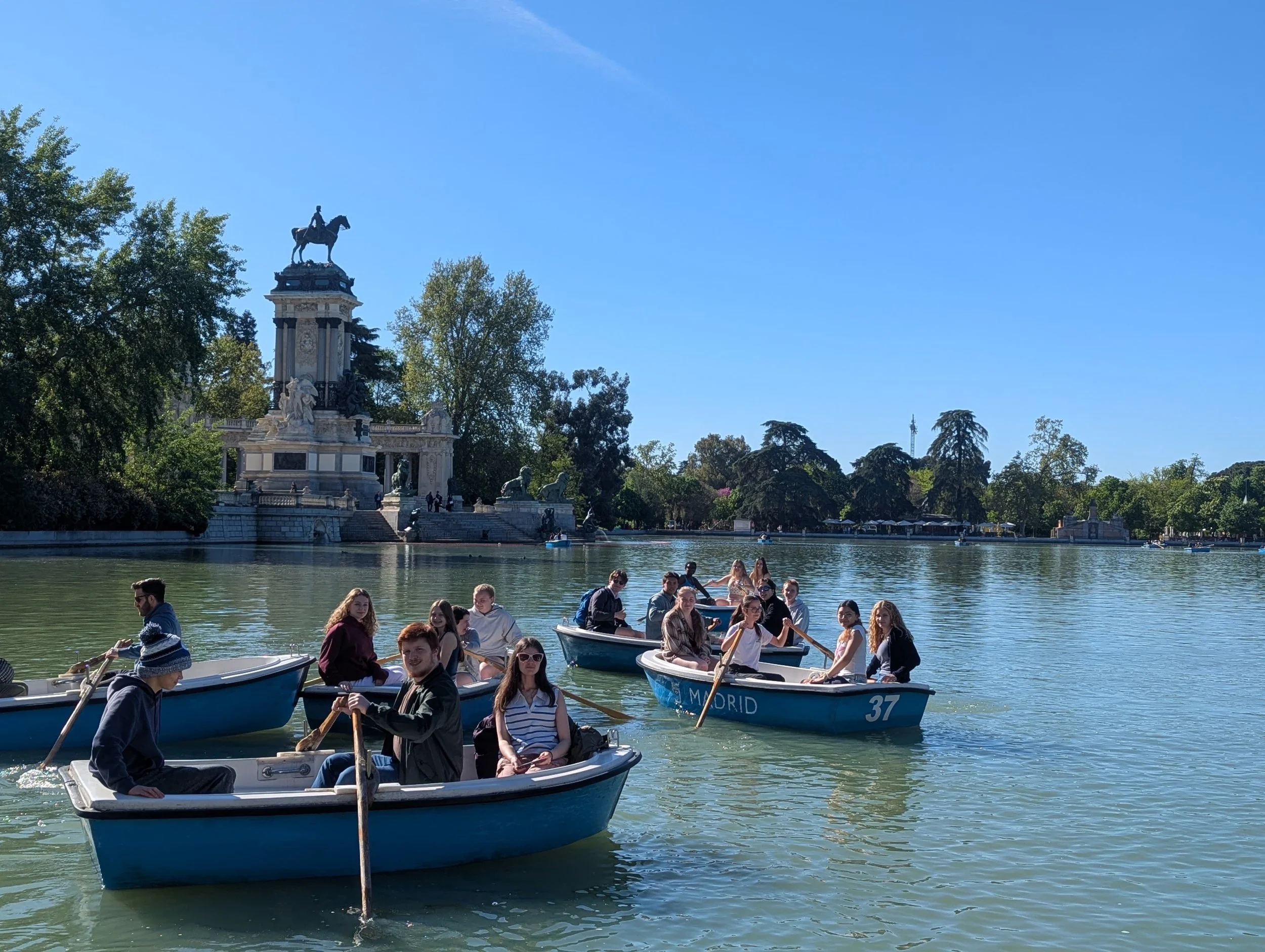
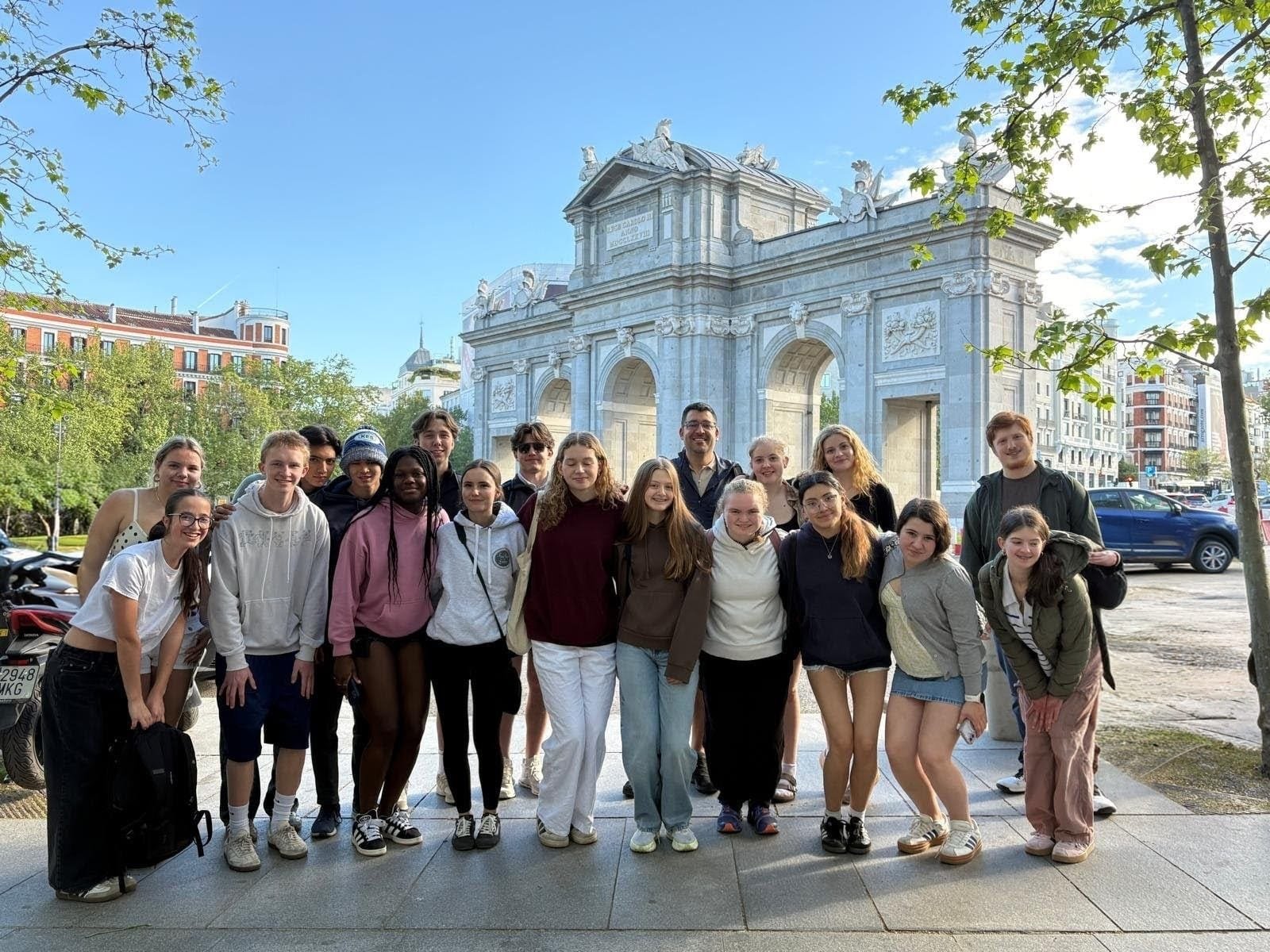
Retiro Park, where we took a break from walking to row boats in the park's famous pond and saw the Puerta de Toledo and the Puerta de Alcalá, massive gates that served as entrances to the walled city.
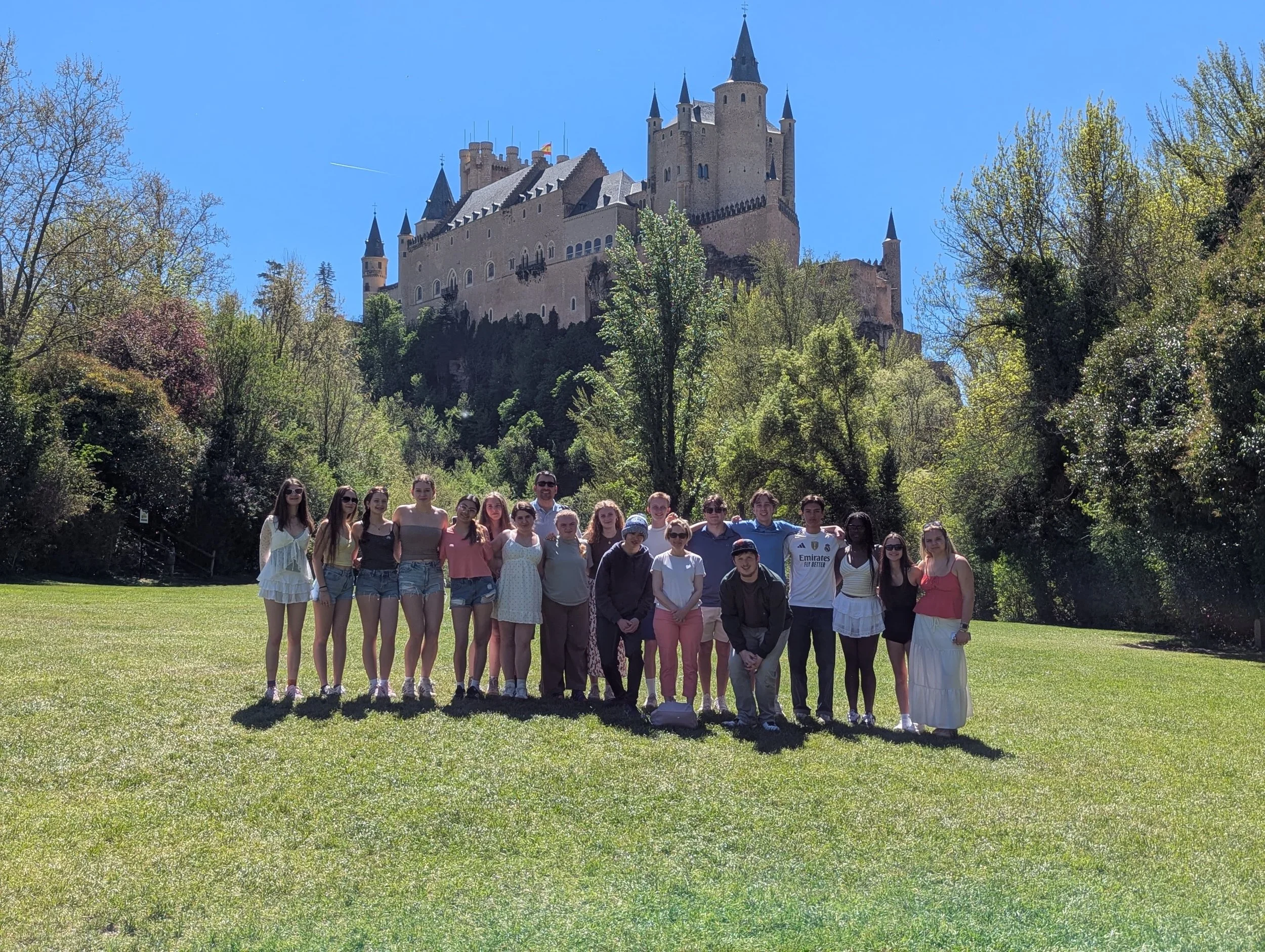
Segovia: We spent a day in Segovia, a small city about an hour north of Madrid. The students stood beneath a 2,000 year old Roman aqueduct and toured a 13th century palace-fortress called an alcázar. This was the place where Ferdinand and Isabella agreed to fund Columbus' famous voyage.
Tapas and tortillas: you can't go to Spain without eating! Our students were brave foodies, trying everything from jamón (Spanish ham) to calamares (fried squid rings), to croquetas. We also learned that in Spain, a tortilla is a potato omelet (with or without onions), but is definitely not a corn chip! In Segovia, we tried a variety of dishes from the city's Christian, Moslem, and Jewish history.
Staying with host families gave our students a true 'day-in-the-life' experience that they'll never forget. A huge thank you to everyone (mostly Mr. V) who made this trip possible.