School news
Two Woodstock Union students win Liberty Art & Poetry Contest
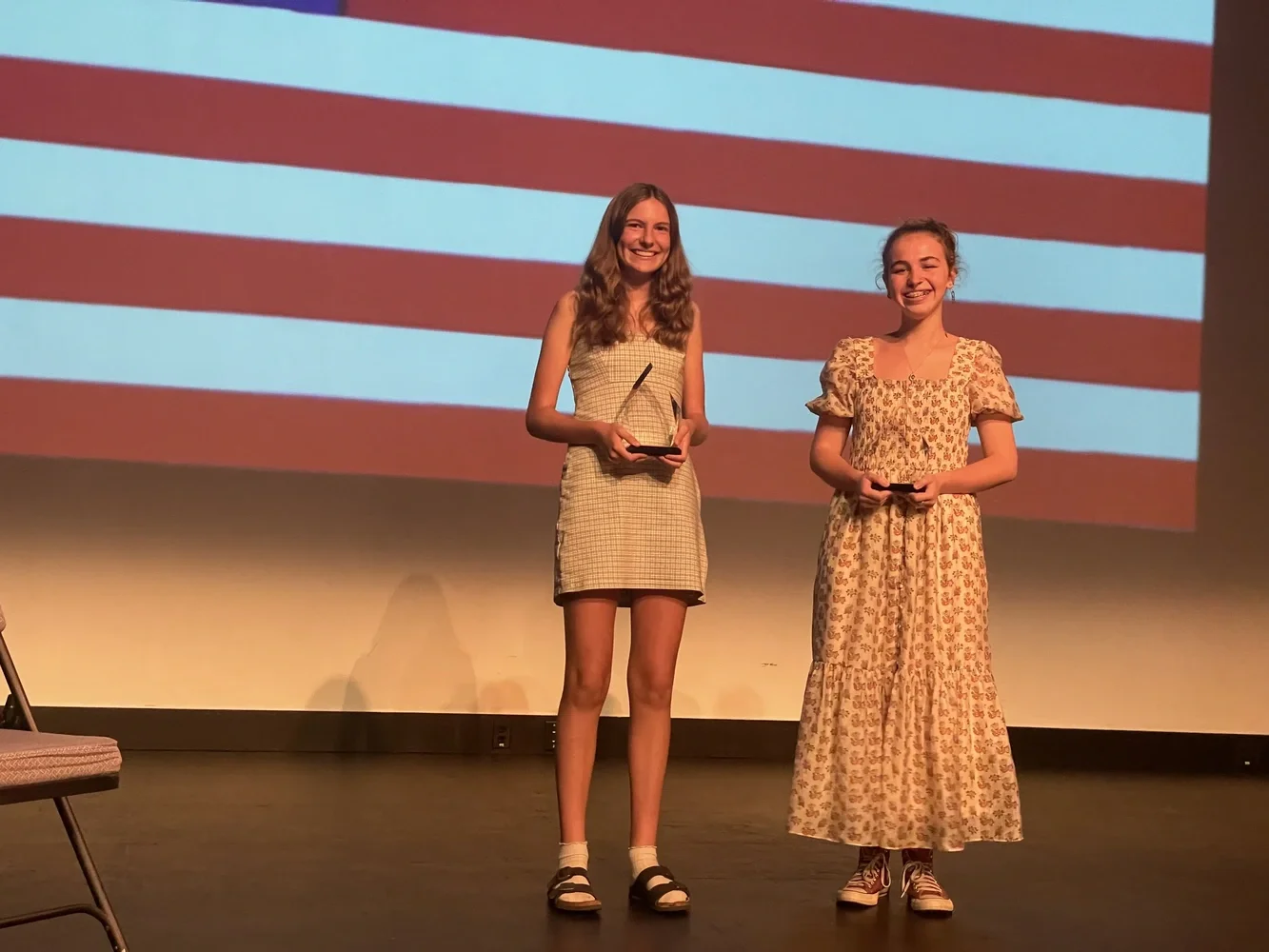
Winners Genevieve Williams ‘30 and Lylah Zeitlin ‘27
On Thursday, September 17, 2026, two WUHSMS students were celebrated for submitting winning poems to the Vermont Student Expressions of Liberty Art & Poetry Contest.
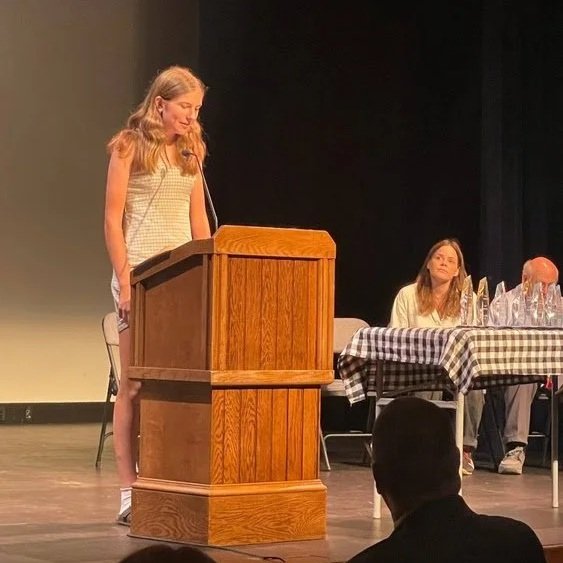
Lylah Zeitlin's poem "A Note on Evolutionary Optimism" won first place in the high school poetry contest, and 9th grader Genevieve Williams won first place in the middle school contest for her poem "Freedom Will." Sponsored by Middlebury's Town Hall Theater, the contest — part of America 250: Expressions of Liberty — challenged students across Vermont to honor our nation's 250th anniversary by responding to the question, "What does freedom mean to me?" Genevieve worked on her poem in the spring, using rhythm and meter to paint a variety of rich and diverse images of freedom.
The celebration of the winning submissions took place on Constitution Day in the Town Hall Theater in Middlebury, Vermont. Program participants included Vermont Poet Laureate Bianca Stone, performer Bill Wiles, judges, and lawyers who read selections from the Declaration of Independence and the Bill of Rights. Lylah and Genevieve both recited their inspirational poems to an audience which included their proud parents, community members, students, and English teacher Ms. Hagge.
Congratulations to both students on this well-deserved honor!
A Note On An Evolutionary Optimism
I love my country I do I admit it, I love it I love these gnarled roots And these forests of mine These people of mine That swallow kings whole And spit up the dust of freedom We don’t live in a dystopia Least no more than we did before We do not advance towards a future Of the aphonic poet Least no more than we did before Because this our composition; this our Constitution Establishes that: We the People establish this justice By spitting in the face of tyranny On sleepy, sweet-tea sort of mornings On moss-laden pine-coated duvets I swear the ground rising and receding beneath me in welcome Is the shuddering breath Of an unyielding nation An America in search of her New Colossus
Freedom Will
Freedom is the sound of bells ringing through the air. Freedom is first learning about our country of despair. Freedom is society controlling us with string. Freedom is the golden dome for which we learn to sing. Freedom isn’t always free. Freedom means something new to you and me. Freedom never tells us what is right or wrong. Freedom is a composure That sounds like a song Freedom is confusing For someone who is 14. Freedom is something that’s Never really seen. Freedom is green mountains Rolling up and down. Freedom is the spelling to a complicated noun. Freedom is not knowing What the world holds. Freedom is watching the trees grow old. Freedom will die and freedom will live But freedom will always give and give.
From inspiration to illustration: digital artists at work
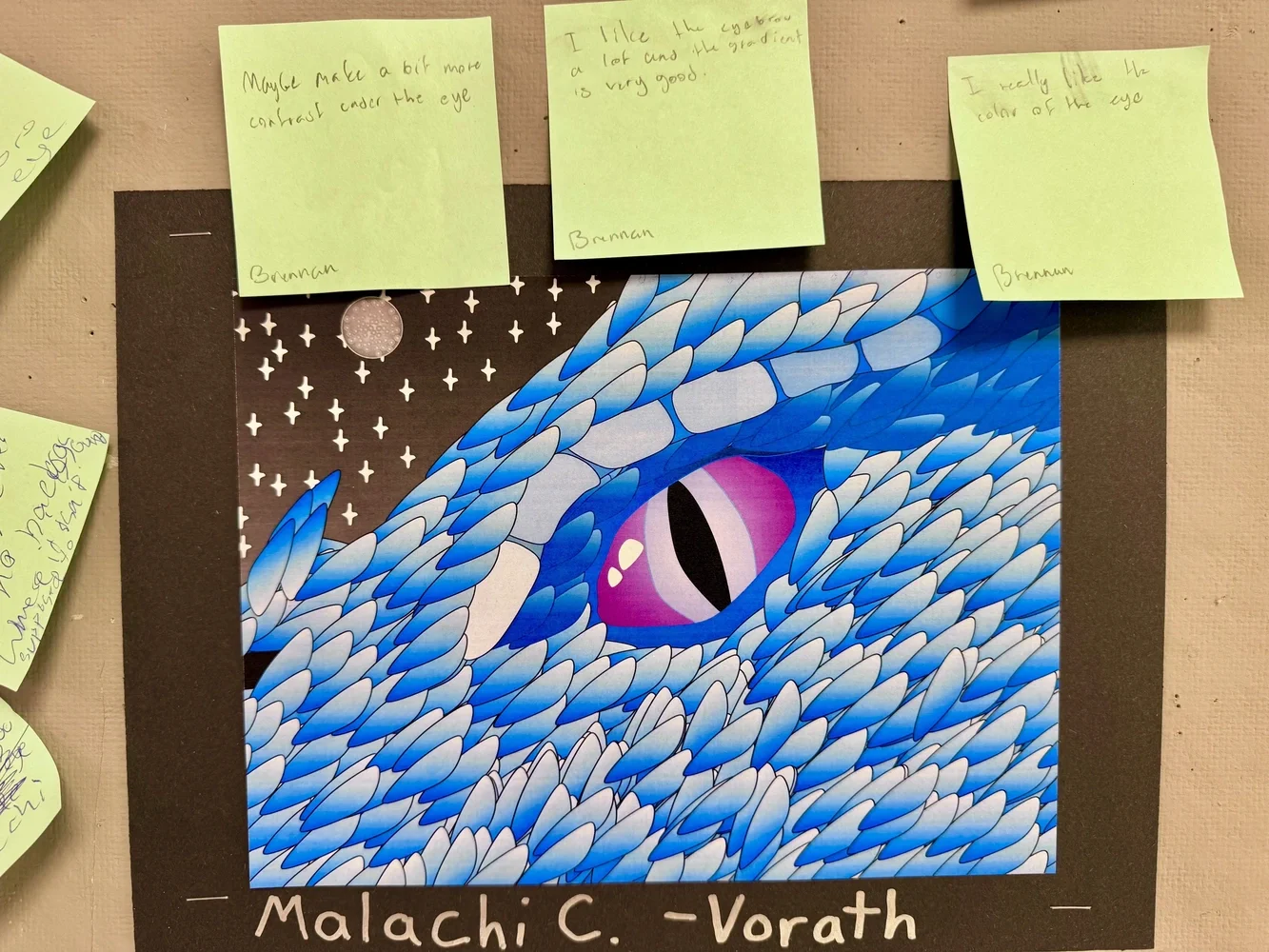
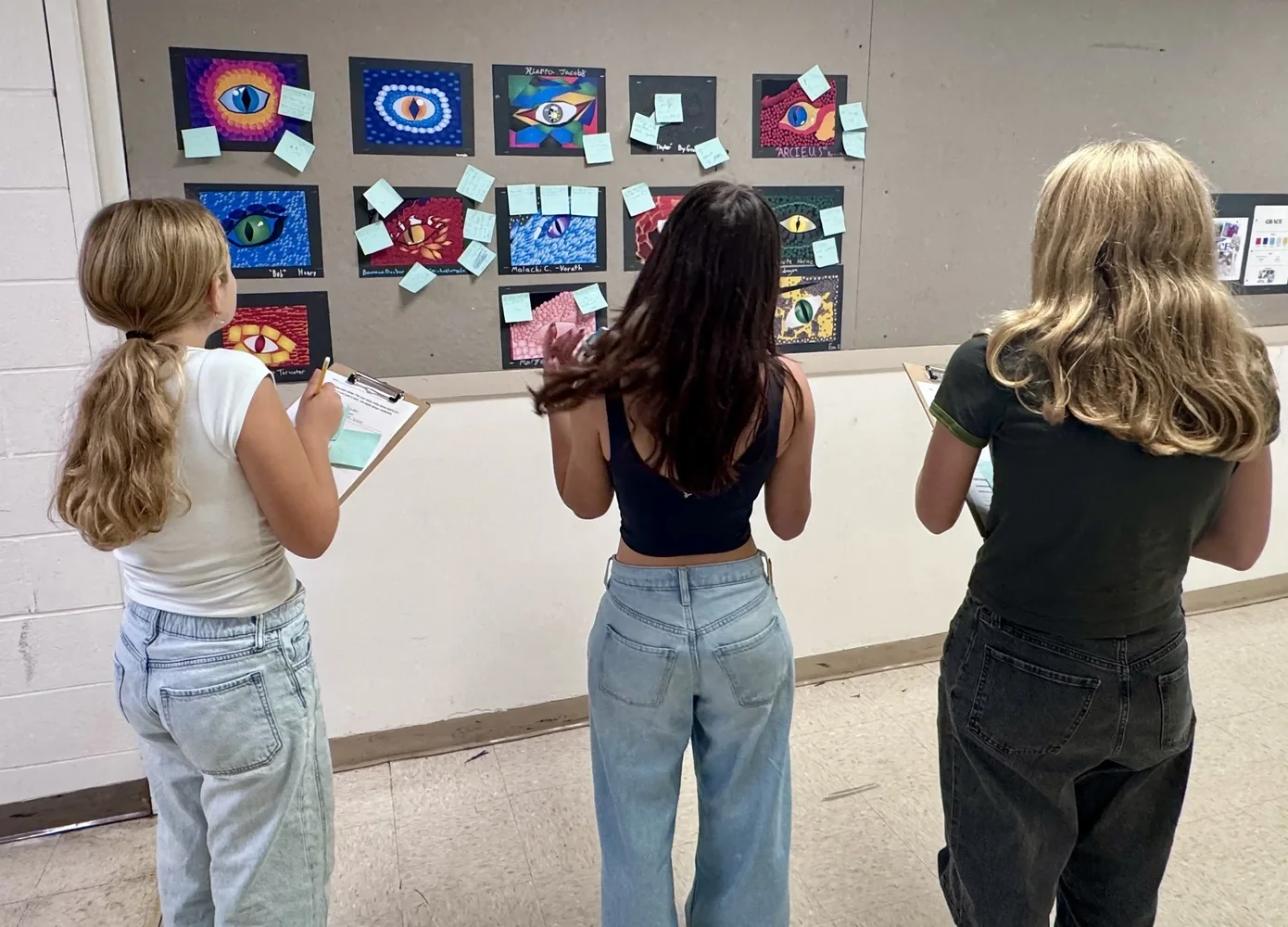
Middle School Digital Art students recently completed a project that introduced them to the creative process used by graphic artists and designers. They began by developing mood boards, combining images, colors, textures, and ideas to communicate a particular feeling or visual style. Students then learned how designers extract color palettes from inspiration images and use those colors intentionally to create a unified design.
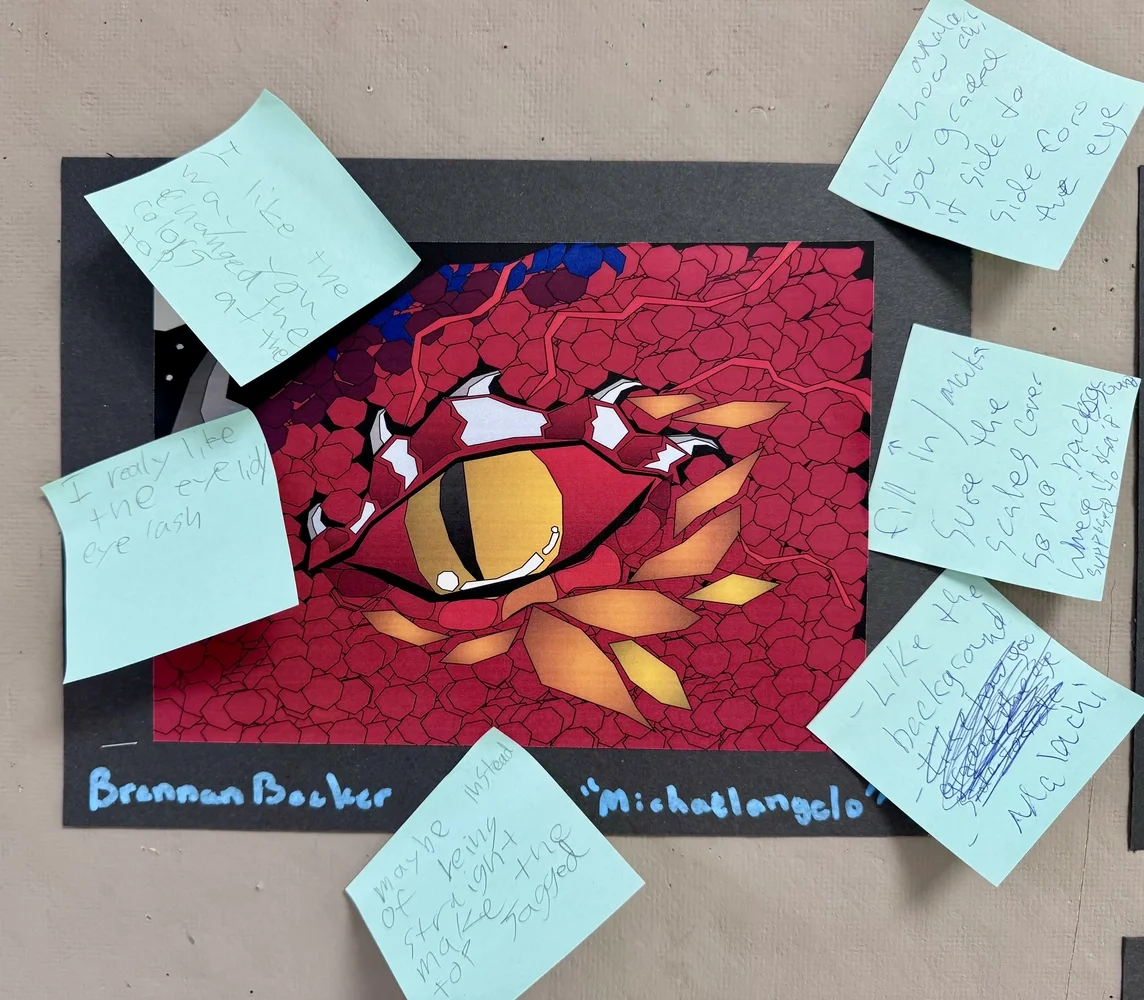
Students applied these skills in Google Draw by creating detailed dragon eyes entirely from simple shapes. They learned to analyze a complex image, break it into manageable parts, and build it one shape at a time. By resizing, rotating, duplicating, grouping, and layering shapes, students transformed basic digital elements into original illustrations. They also used gradients, highlights, shadows, color, and texture to create depth, realism, and personality.
Although the finished dragon eyes are imaginative, the skills behind them have important real-world applications. Graphic designers, illustrators, advertisers, web designers, animators, architects, and many other professionals must plan visual ideas, use digital tools, solve design problems, organize complex projects, and revise their work with care. Students practiced all of these skills while also developing persistence, precision, creative decision-making, and confidence with technology.
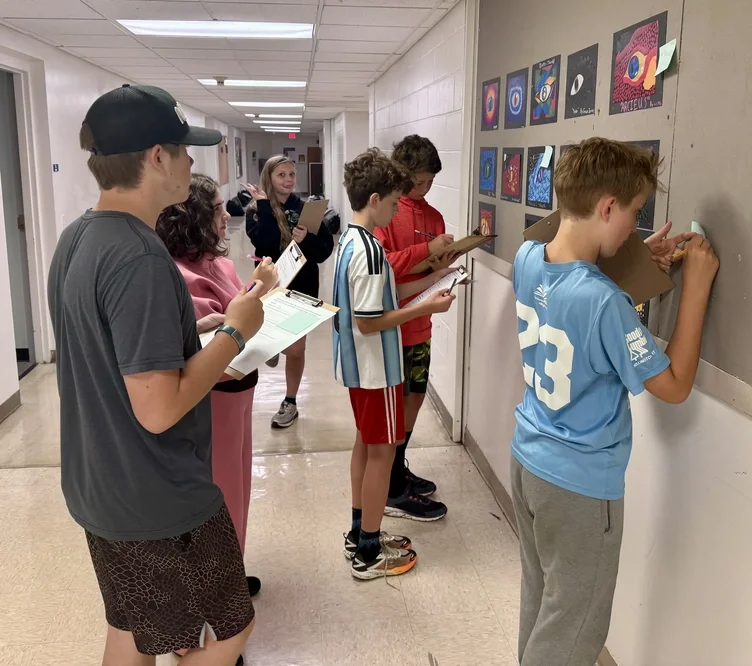
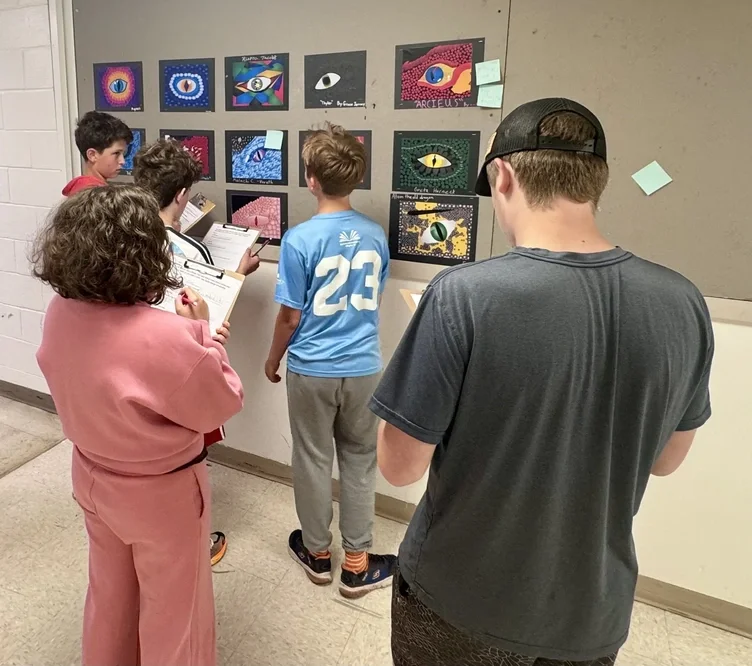
One of the most important parts of the project was learning how to give and receive meaningful feedback through “Two Glows and a Grow.” Students identified two specific strengths in a classmate’s work and offered one constructive suggestion for growth.
This process helped students understand that professional creative work rarely happens in isolation. Artists and designers collaborate, communicate, respond to feedback, and revise their ideas to make them stronger.
The resulting dragon eyes showcase much more than creativity. They demonstrate how digital art helps students become thoughtful visual communicators, flexible problem-solvers, supportive collaborators, and capable creators in an increasingly visual and technology-driven world.
AP Environmental Science long term data collection
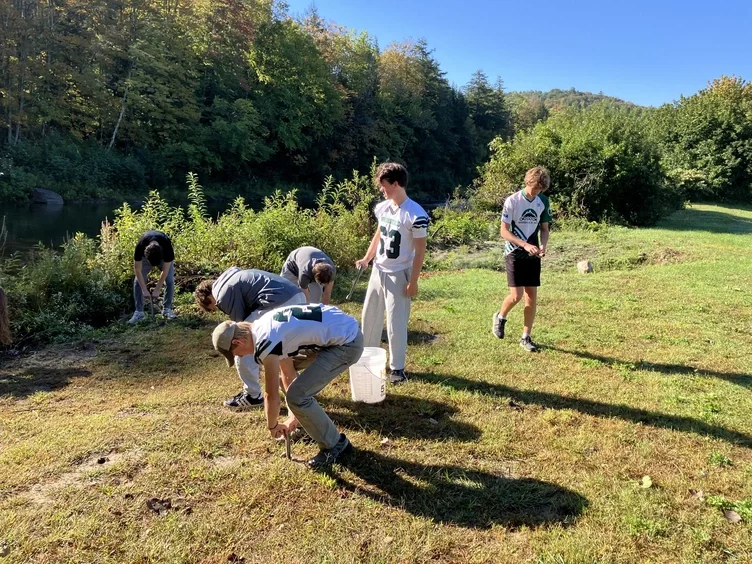
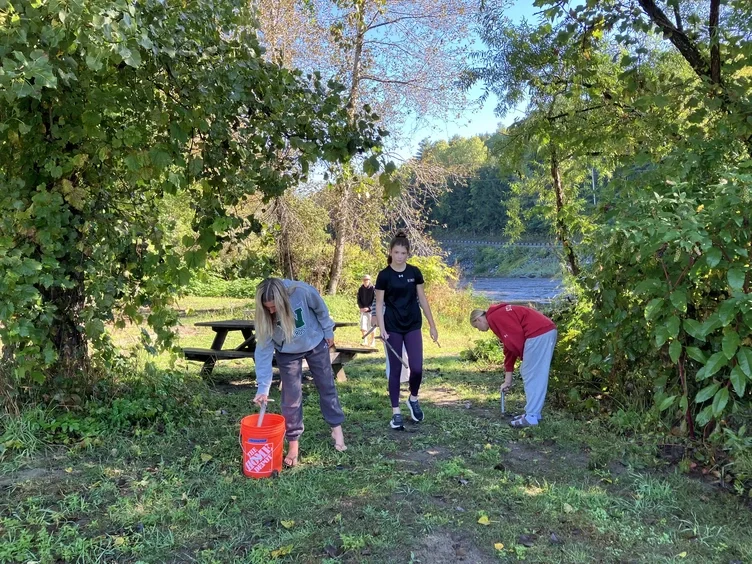
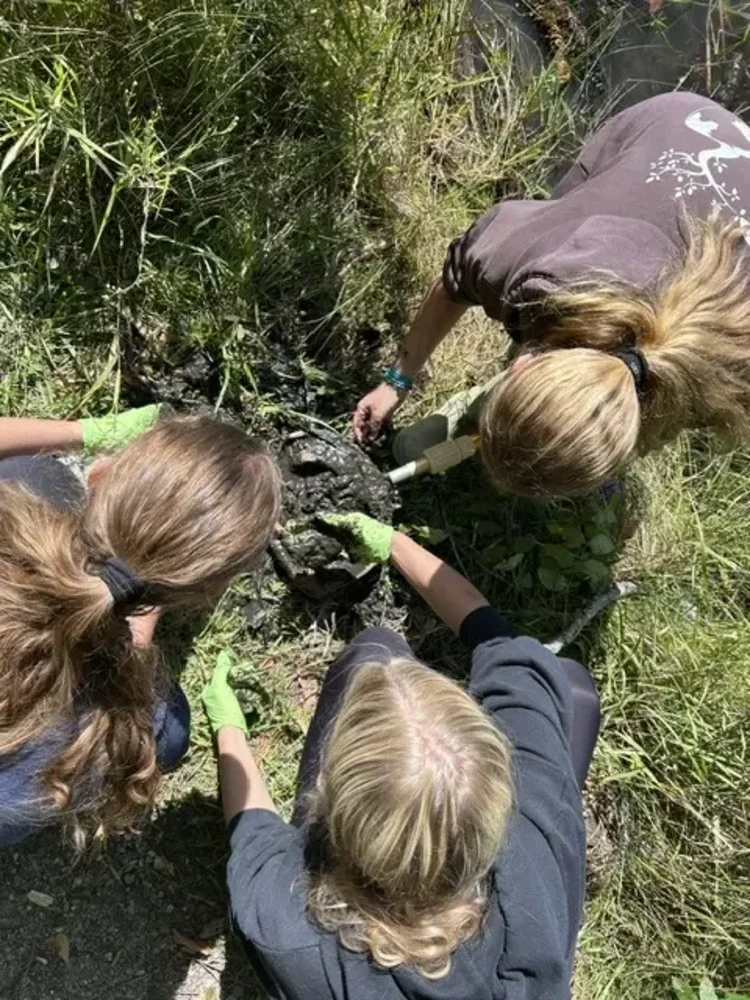
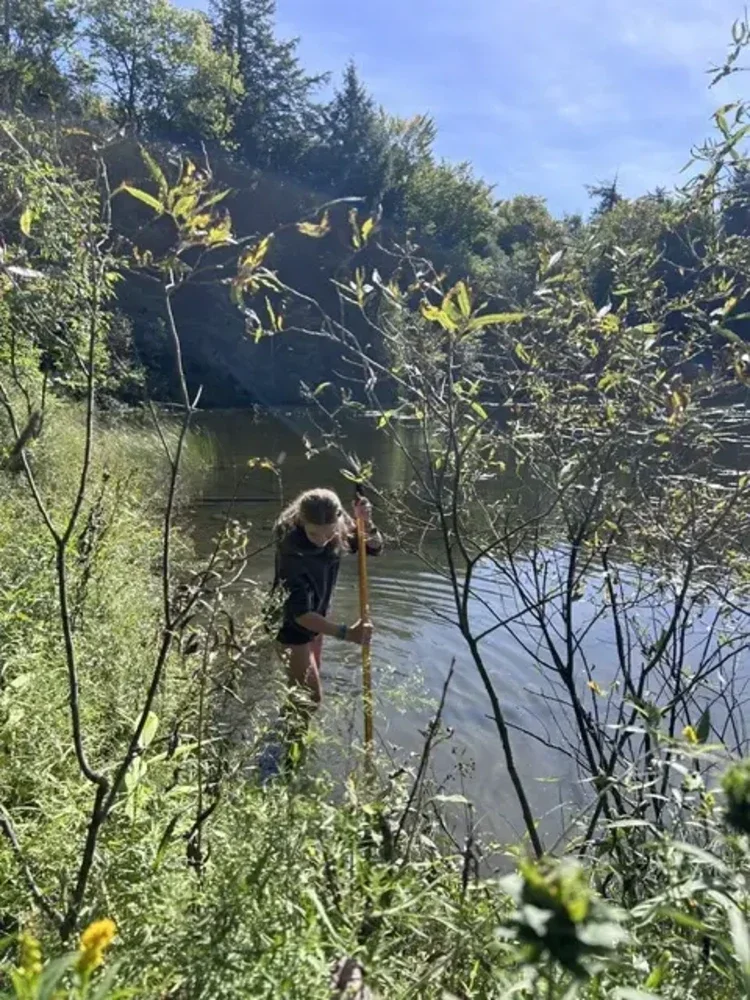
AP Environmental Science students have been putting their fieldwork to good use across the school forest, river, garden, and beyond.
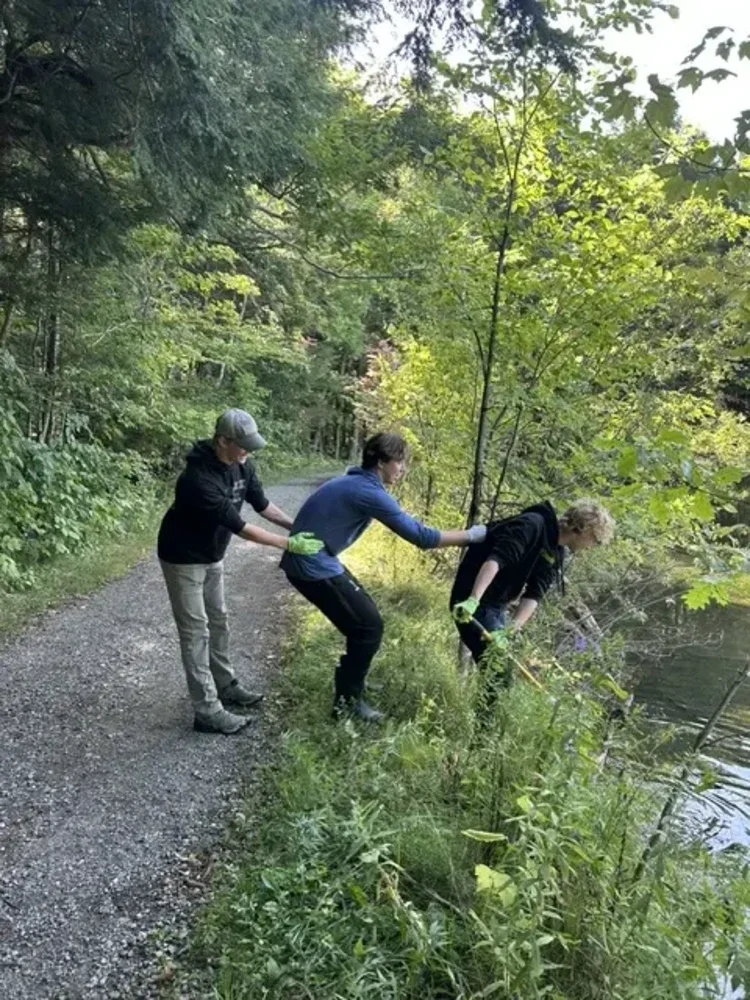
Between soil sampling at these three sites — now with six years of data collected — and a collaboration with National Park Service staff to gather dragonfly larvae from the Pogue at Marsh-Billings-Rockefeller, students are contributing to real, long-term environmental research.
For the dragonfly project, students learned about different families like Gomphidae and Cordulidae, and how, as predators, dragonflies bioaccumulate mercury up the food chain — making their larvae useful bioindicators. Samples will be sent to a lab for mercury analysis and added to hundreds of other data points gathered nationwide over the project's 12-year history. Check out The Dragonfly Mercury Project for more information.
Middle school human anatomy
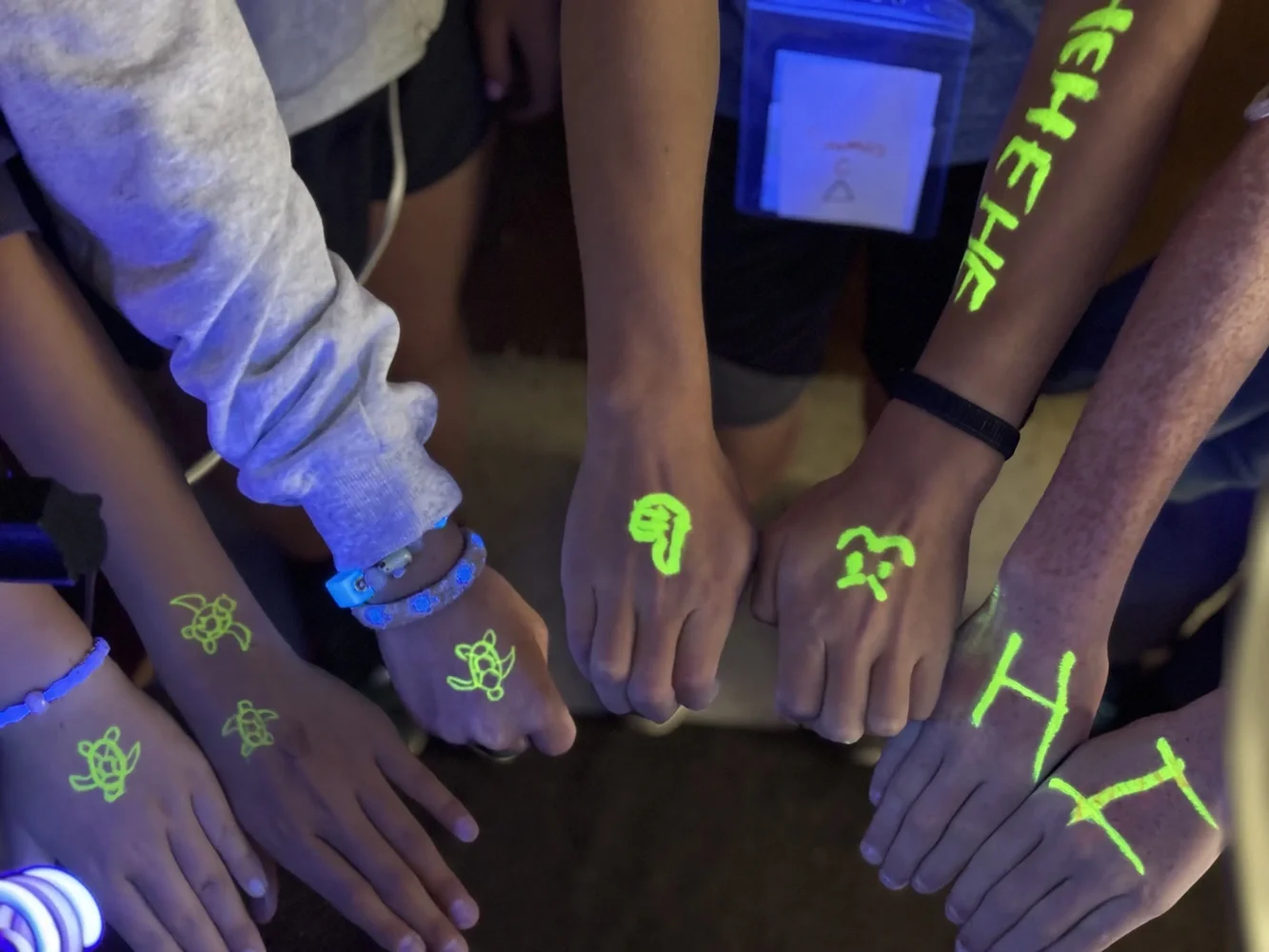
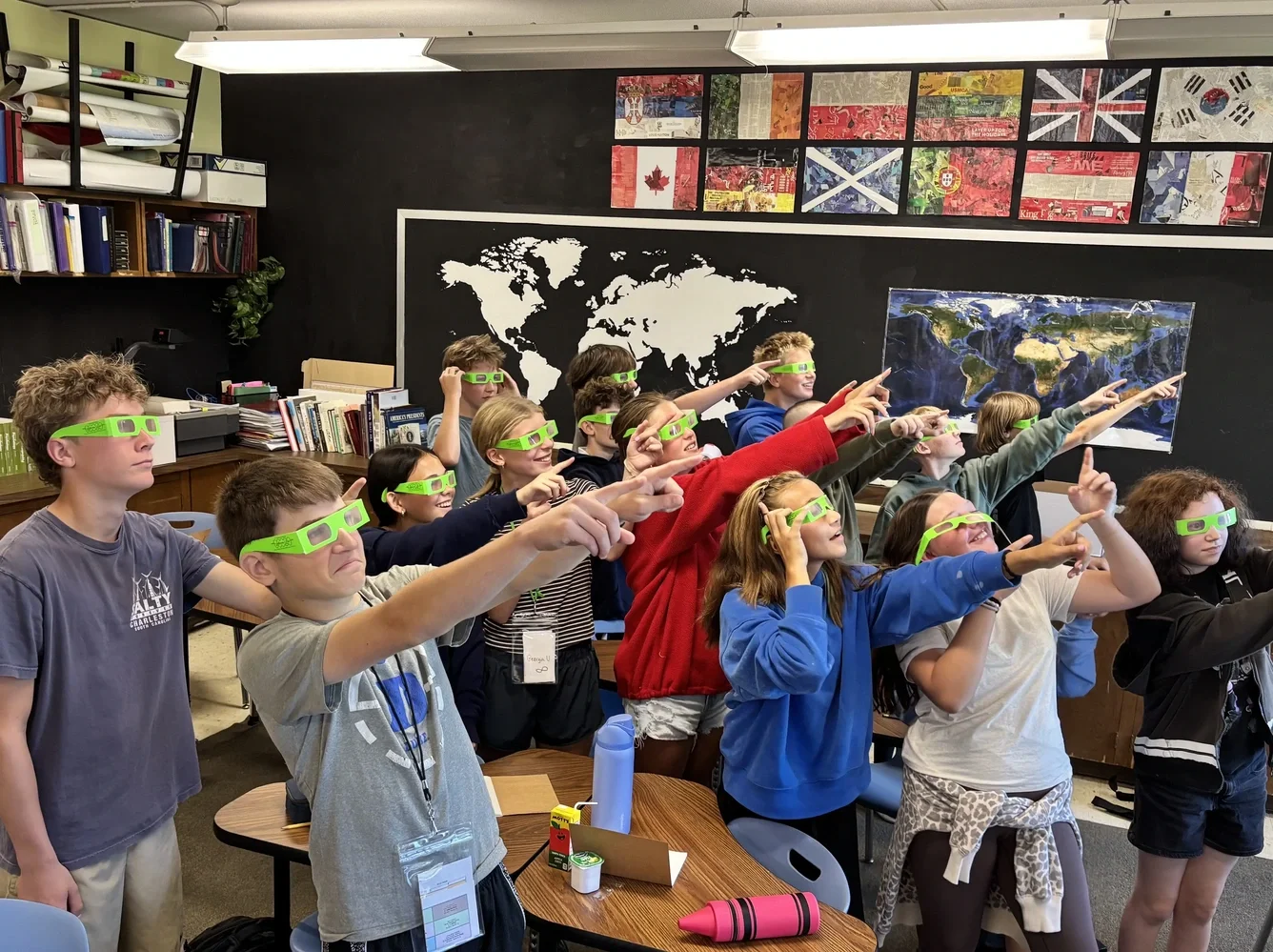
Middle School’s Human Anatomy class quarter elective is exploring the human eye and our sense of sight. How does our human eyesight differ from the sight of other creatures? For example we can't see UV without help.
7th graders head to Farm & Wilderness
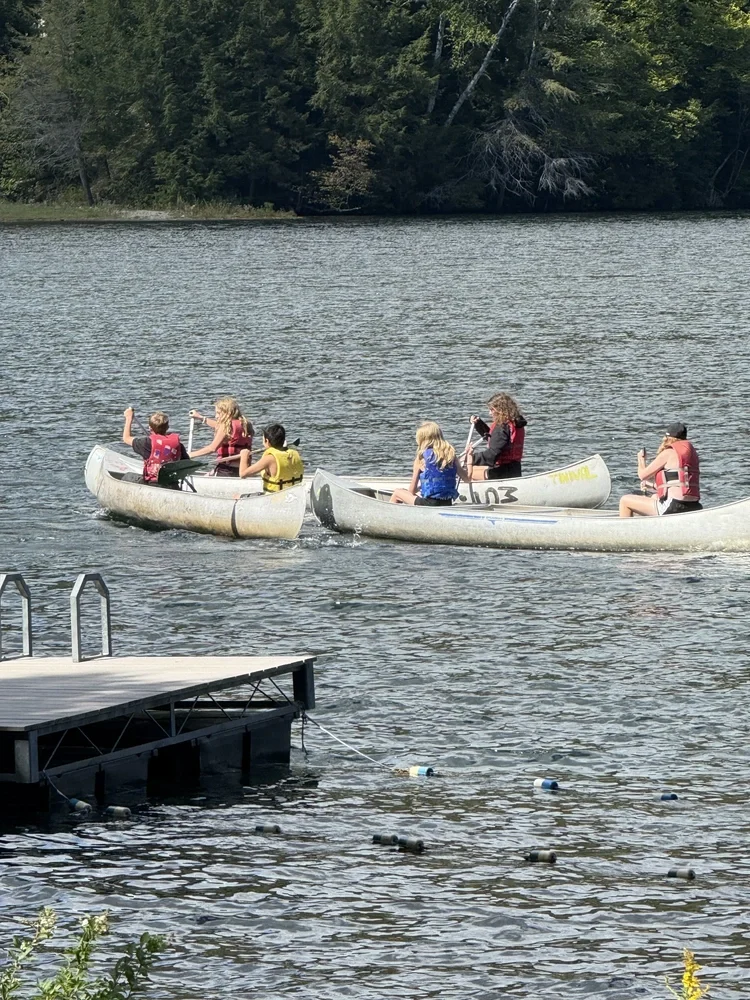
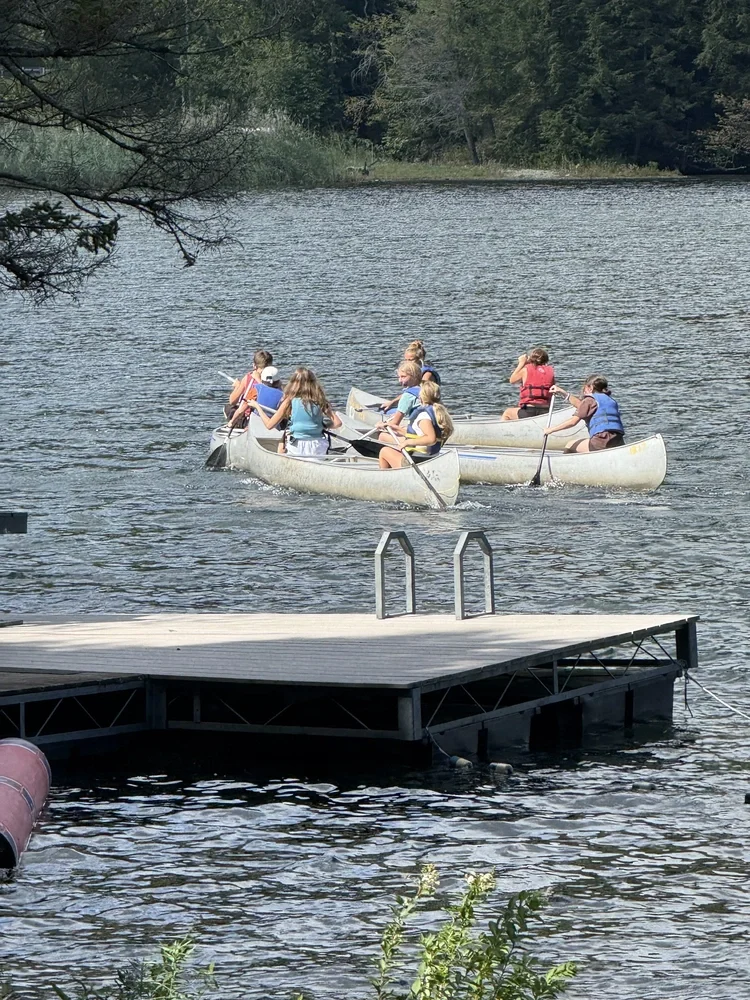
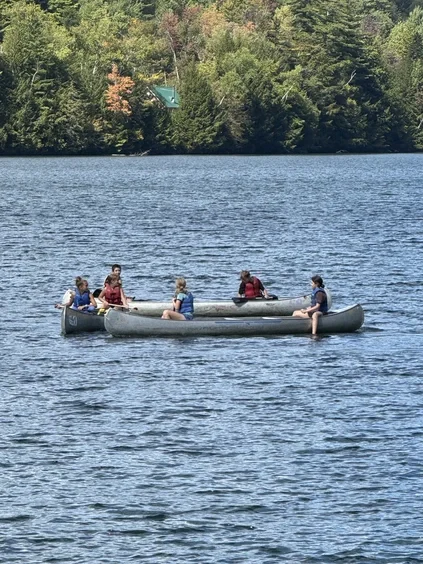
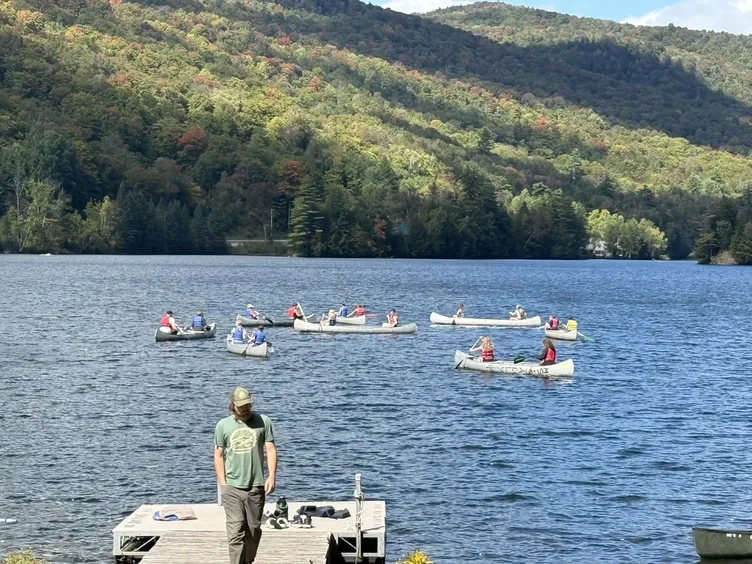
Our 7th graders headed to Farm and Wilderness in Plymouth for an overnight of connection and adventure — time away together as a class. Thursday brought rain, but Friday turned beautiful, and we wrapped up the trip with a perfect afternoon on the lake.