
School news
3rd annual native plant sale was a success
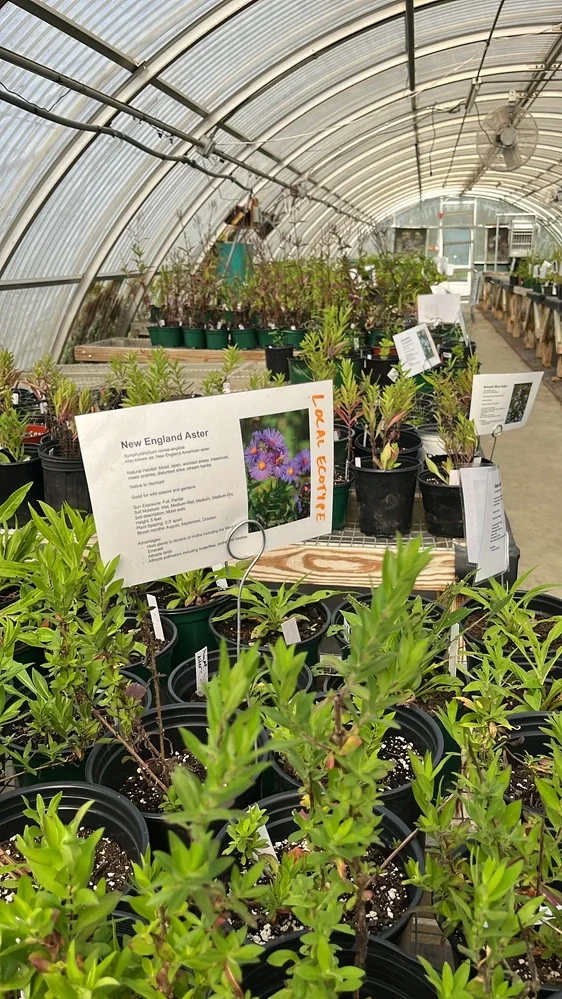
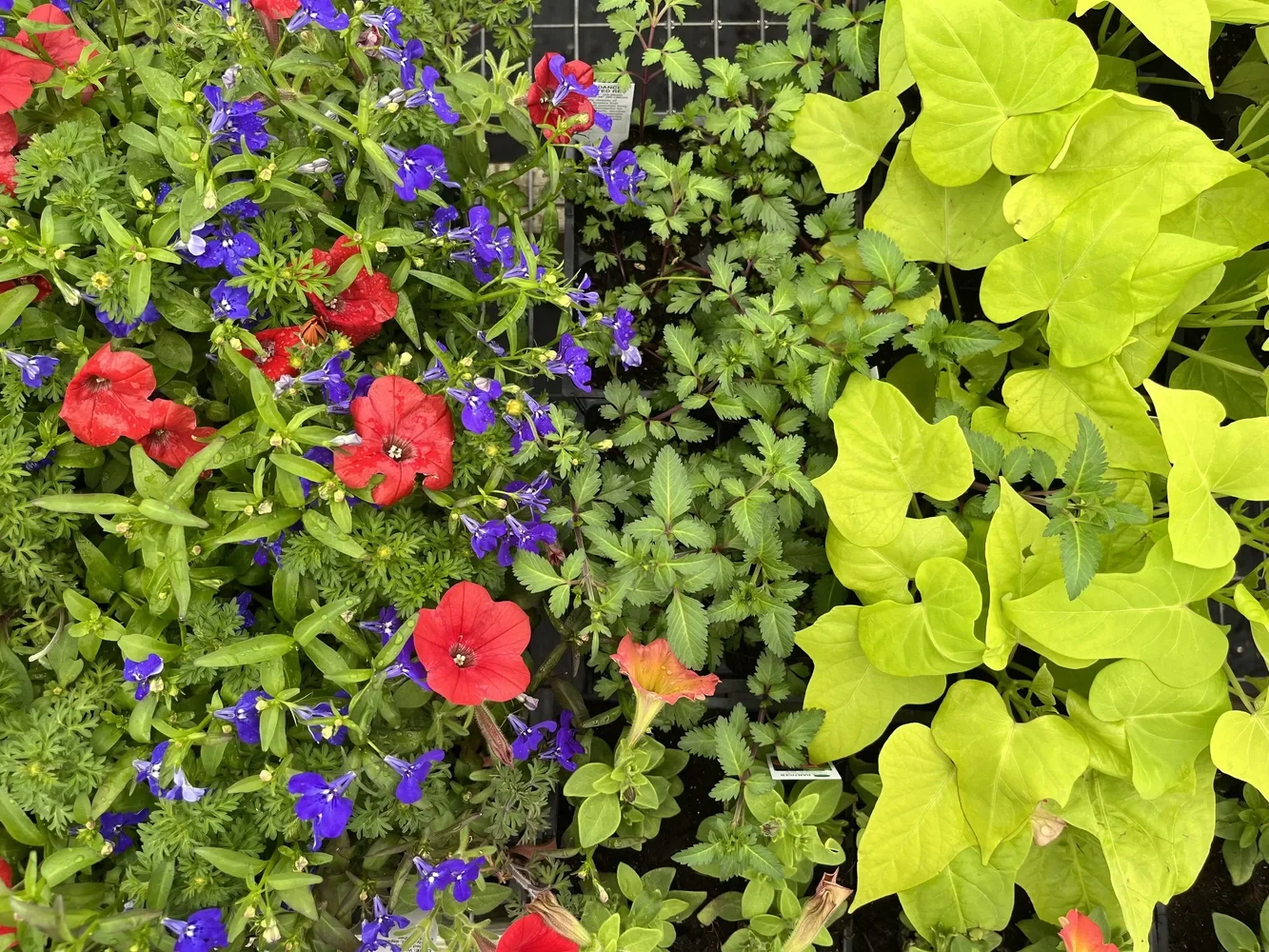
Over only a few days, more than 150 people stopped in to buy plants from our native plant sale. This sale is hyper-local. Most of the seed is collected by students in the fall from large local populations.
Anything that we can’t source locally in a sustainable way, we source from the Wild Seed Project, the Northeast Seed Collective, the Native Plant Trust, and Prairie Moon – prioritizing local ecotype seed whenever possible. Local ecotype seeds are sourced from plant populations in our ecoregion (we are ecoregion 58) meaning that their genetics and functions are adapted to our local environment. Preliminary data from the Vermont Center for Ecostudies suggests non-local ecotypes have very different flowering phenology (timing) which could affect our pollinators. Students steward these plants for a year - from sowing them to cold stratify in the late fall, to dividing them in the spring, to helping them find the right home in community member’s gardens, meadows, and restoration projects the following year.
We still have some plants leftover. If you have a restoration project you are working on and need plants, let Abbie (abbie.castriotta@mtnviews.org).
If you are interested in learning more about sustainable wild seed collection, join us at the King Farm on 10/1 from 5:30-7:00pm. You can register for the event through Sustainable Woodstock here.
Equitable climate action partnership at VINS
Middle school and high school students presented at the third annual ECAP\(Equitable Climate Action Partnership) at the Vermont Institute of Natural Science on May 8. Students got to experience some activities, check out the birds and trails, learn about birds and climate change and present their projects.
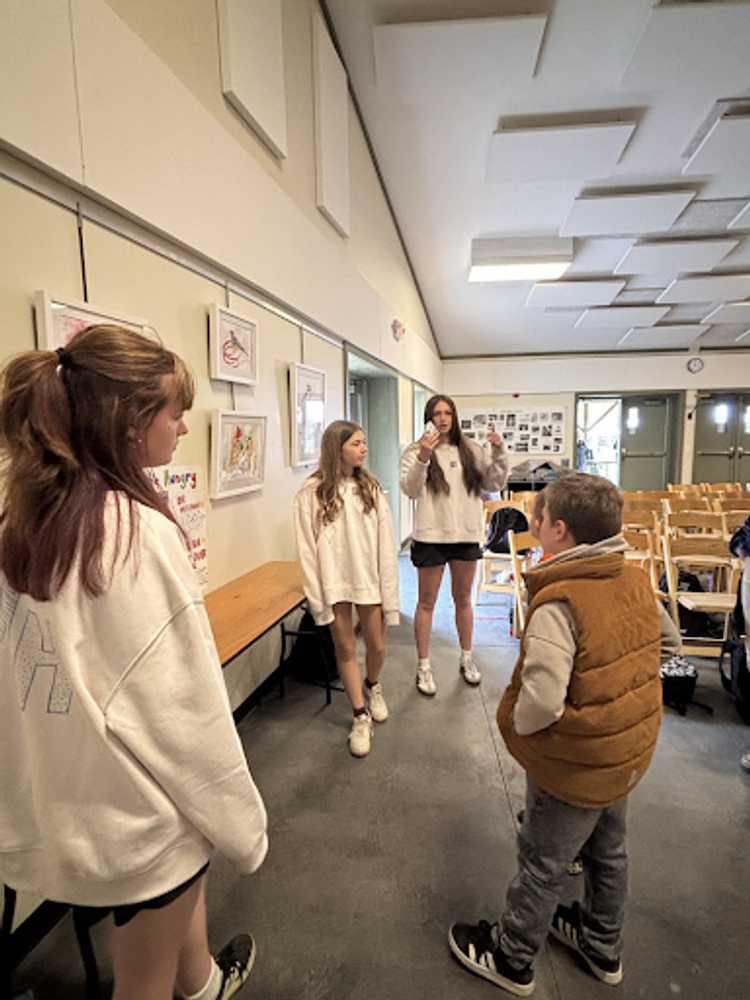
Middle school students Reese Fenity, Isa Contarino and Annabelle Park presented about their food system project from wellness. The girls gathered local foods from Annabelle’s garden, cooked over 80 healthy meals and served them to people in need in Rutland.
Middle achool atudents Reese Fenity, Isa Contarino and Annabelle Park presented about their food system project from wellness. The girls gathered local foods from Annabelle’s garden, cooked over 80 healthy meals and served them to people in need in Rutland.
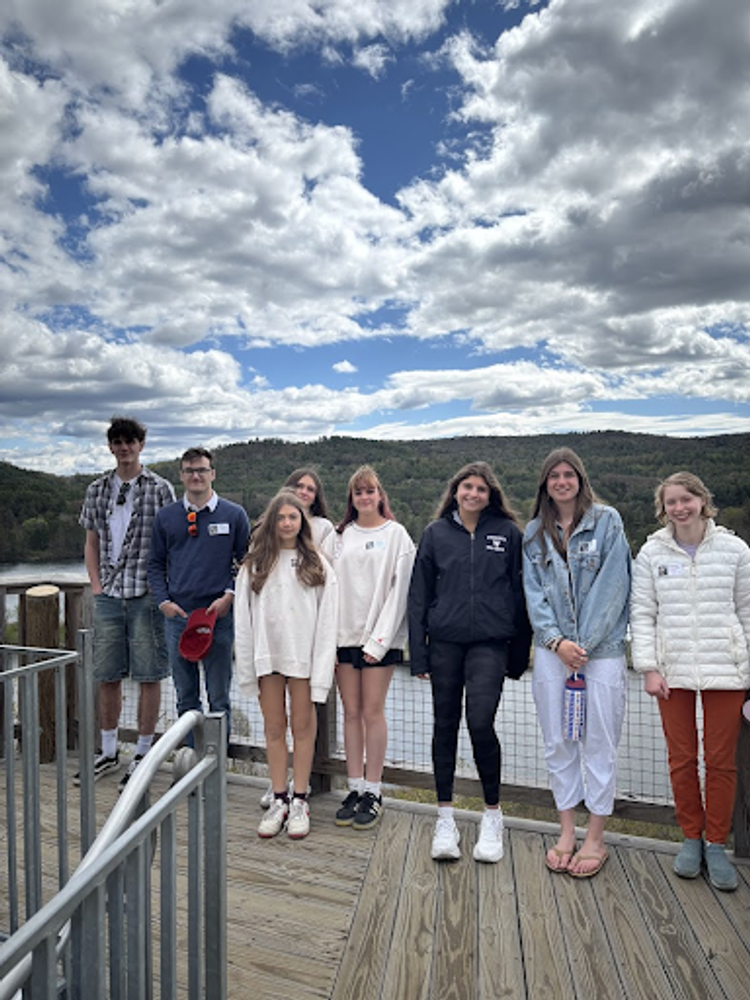
High schoolers Pea Richardson, Bethany Thorburn, Sadie Boulbol, Owen Whalen and Brody Allen shared about their immersive semester work at the King Farm this past fall where they created a permaculture design for future use of the land and made and planted air pruning beads with native trees.

Spring plant sale in the WUHSMS greenhouse
When?
Thursday, May 7th – Friday, May 29th
Mondays: 9am-2pm
Tuesdays: 9am – 2pm
Wednesdays: closed
Thursdays: 2pm-5pm (except our first day 9am-5pm)
Fridays: 9am-2pm
Saturday/Sunday: closed
Where?
100 Amsden Way, Woodstock. Drive around to the right hand side of the school and park in the spots near the bus barn and football field. The sale is in the big greenhouse.
What?
Students start most of our plants by seed and we source some more difficult-to-start plants from a nursery that is neonicotinoid free! We focus on growing open-pollinated, organic, and heirloom vegetable, herb, and flower varieties. Many of our plants will be available in soil blocks this year (healthier plants and zero plastic waste)!
All proceeds directly benefit the Woodstock Union HS/MS Agriculture Department. Your support helps to ensure that our greenhouse and gardens are thriving spaces where we can continue to teach and learn about agriculture, stewardship, sustainability, and systems thinking through experiential learning. We take cash or checks made out to WUHS with “greenhouse” in the memo line.
Please bring cash or a check, boxes to bring your plants home, and old takeout containers for bringing soil block plants home.
Check out our website to learn more about our program and for our tentative plant list.
This year, we are focusing on selling native, perennial plants — specifically, ones that benefit pollinators — and vegetables/herbs. We will still have many of the fan favorites. See the CRAFT website for the list of plants (subject to change). We will also be selling bird houses, No Mow May signs, and seeds.
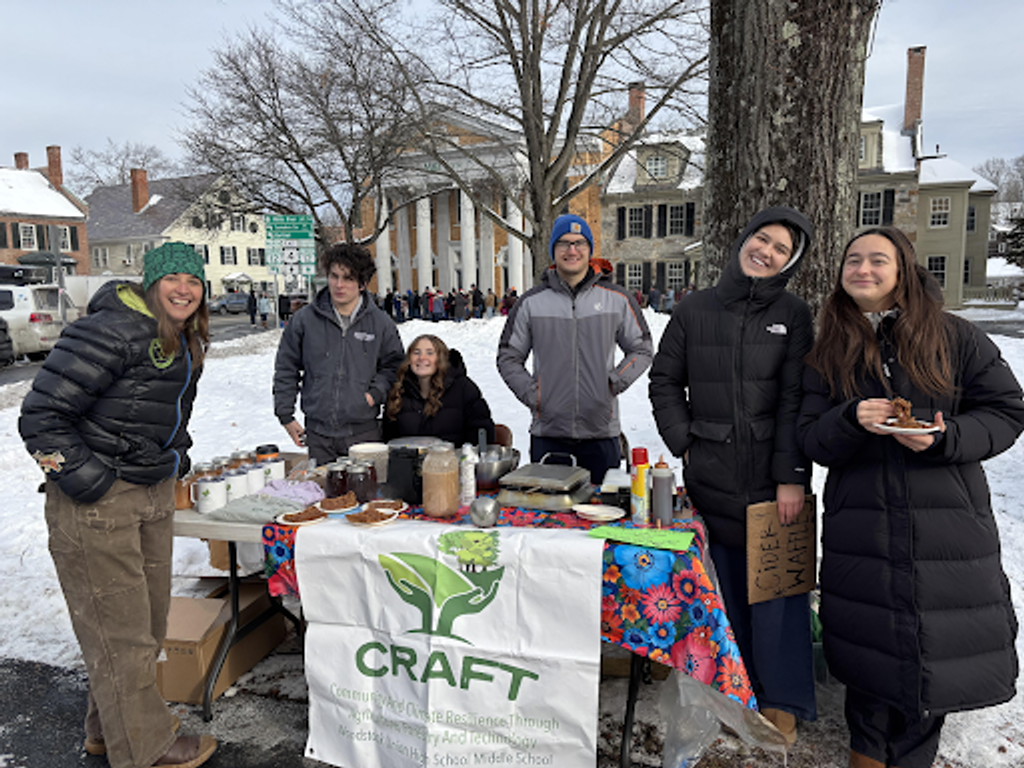
CRAFT students sell apple cider waffles with student-made maple syrup at Wassail
CRAFT students Sophia Rosenbach, Aleks Cirovic, Brody Allen, Hannah Lantigne, Ashton Perkins and Lindsey St. Cyr spent several hours in the cold on Saturday selling waffles to the many people at the annual Wassail celebration in Woodstock. People loved the waffles and were pleased to donate to the CRAFT program. Students raised money to help support the different field experiences and speakers we learn from in CRAFT.
9th graders engage in stewardship & service learning
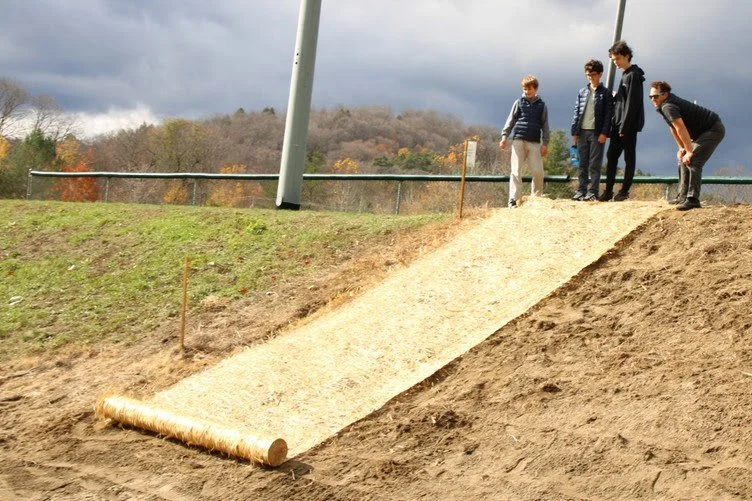
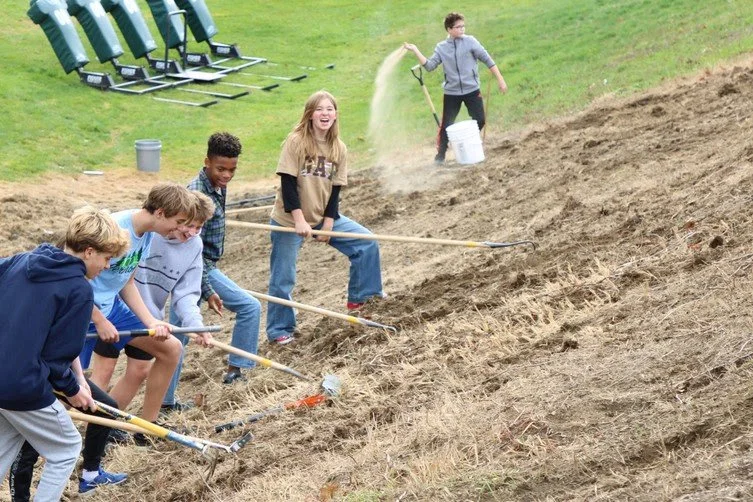
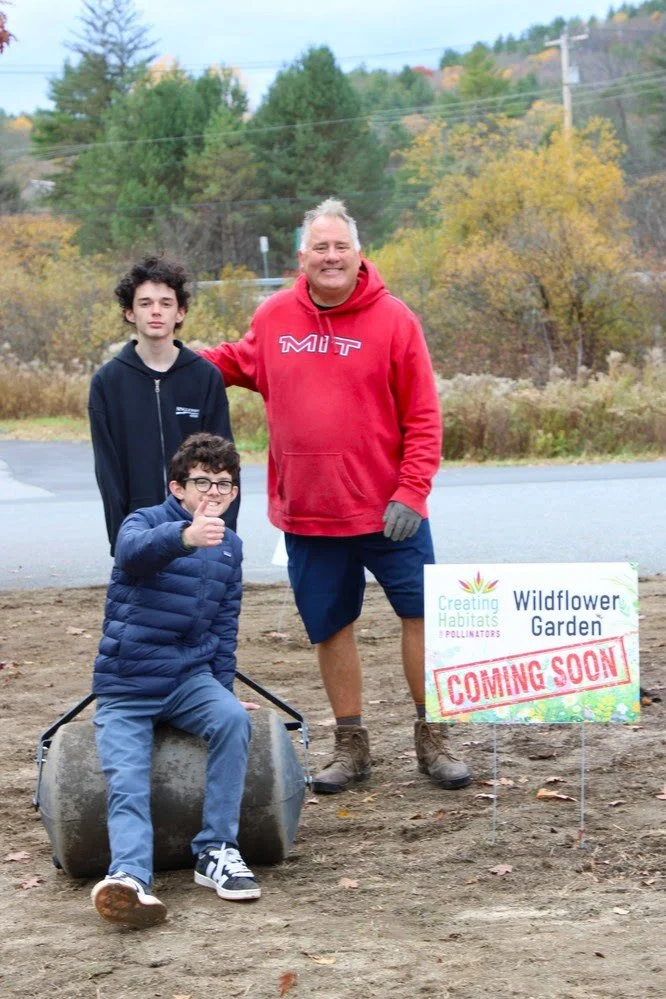
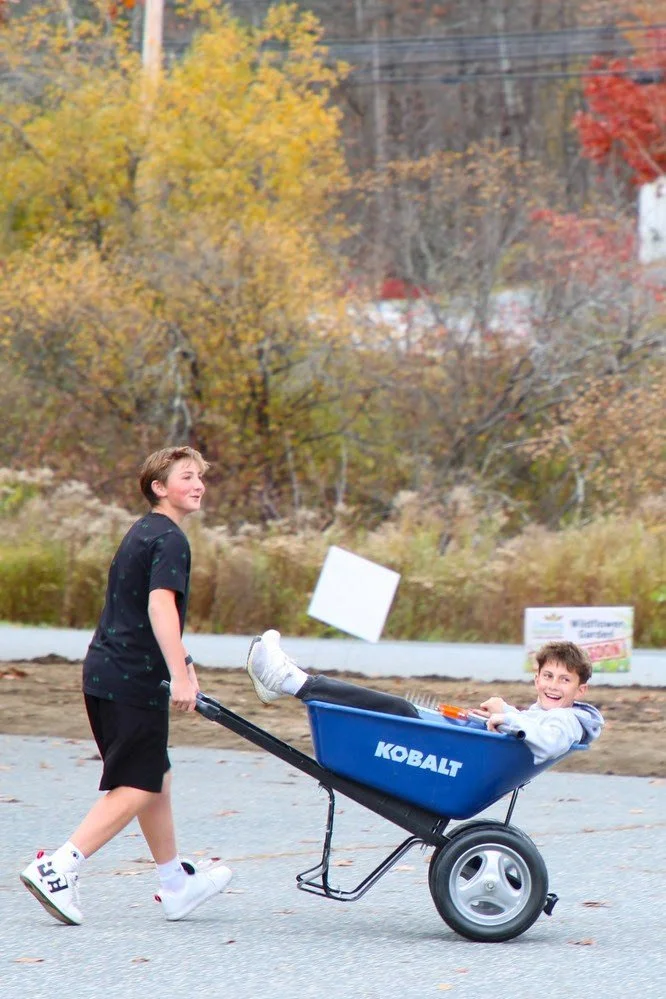
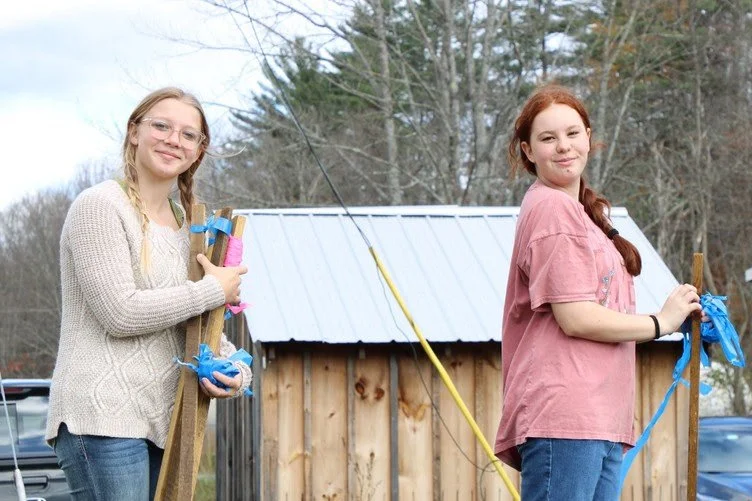
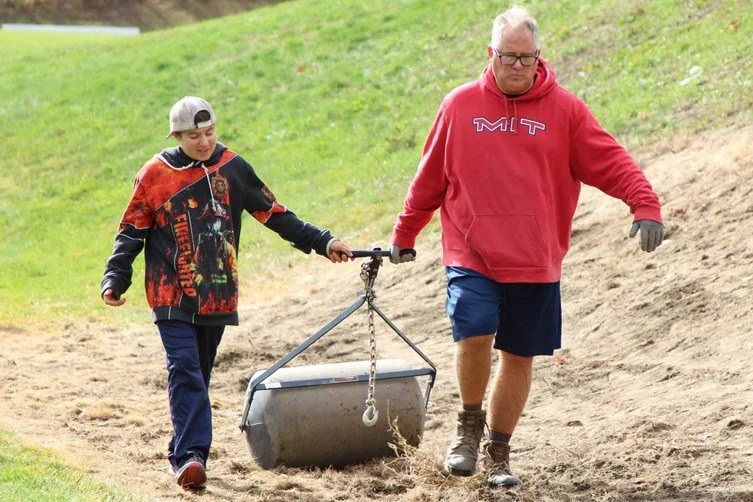
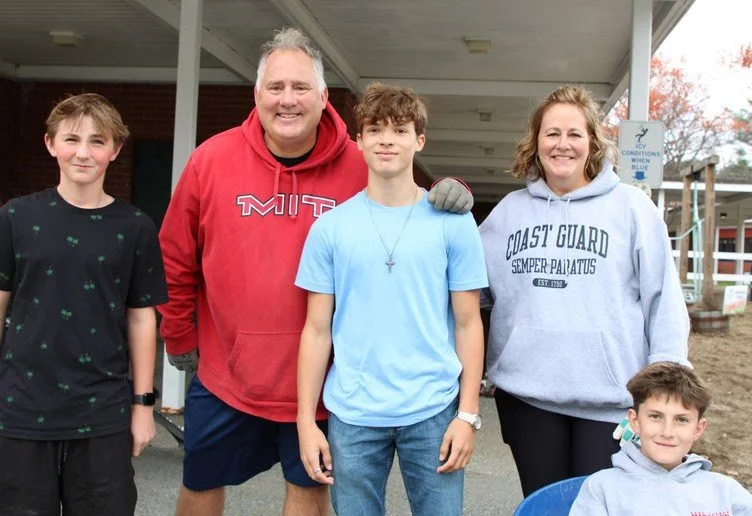
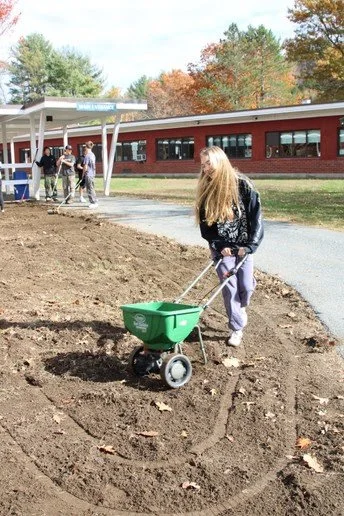
Last Thursday, the 9th grade students completed the final phase of preparing about 16,000 square feet of underused campus land to become a vibrant pollinator habitat. Working with community partner David Hammond, founder and director of Creating Habitat for Pollinators, students helped with the final tilling, then mixed, spread, and rolled native and annual seed mixes that will bloom next academic year. Students also cleaned up the pollinator hedgerow, labeled shrubs and trees, and learned how to harvest native seeds.
This collaborative, student-led project is part of WUHSMS’s CRAFT program and provides an authentic experience in service learning and environmental stewardship.
After the experience, students reflected on something they enjoyed, something they found challenging, and something they thought next year’s students might benefit from. Below are a few quotes that capture the reflection of students:
I really like getting seeds from the flowers and seeing all the different shapes and sizes. One thing that was challenging was separating the seeds from the other parts of the flowers. It was fun. - Sawyer
I enjoyed putting the tags on the plants. I had fun learning the types of plants in the hedgerow. Next year’s students benefit from the amount of pollinators that visit next year. - Heidi
I spread seeds, moved equipment with the wheel barrel, and ended with thatching the hillside. Moving things with the wheel barrel was really fun. I also enjoyed spreading seeds. - Benny
Next year’s students may have the pleasure of enjoying the presence of a higher biodiversity of butterflies. - Vitus
I found tilling to be the most fun because it was with my friends. I found raking the hill next to the football field challenging as it felt like little progress was being made. Next year’s students will benefit by having nice flower beds and a lot more pollinators on our school campus. - Bray
I enjoyed chilling outside and measuring a bit. It was a little hard to set the precise length of the rows [when calculating total square footage]. Next year’s students will have the plants, which will help them study pollinators easier. - Gray
Acknowledgements
This learning opportunity was made possible by David Hammond, Abbie Castriotta, Nick Wolfe, Lauren Sullivan-Justice, Jason Tarleton, Kat Robbins, Janis Boulbol, Kevin Nunan, Keith Brayton, Karen Ganey and Orion Binney, along with the many teachers who contribute their energy to prioritize wellness on our campus. Special thanks to our photographer, Monica Darling!