
School news
Psychology class visits Dartmouth EEG Study Lab
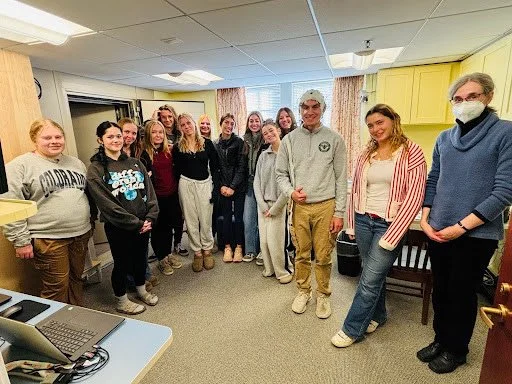
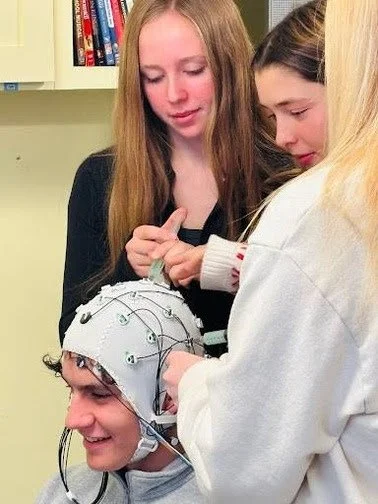
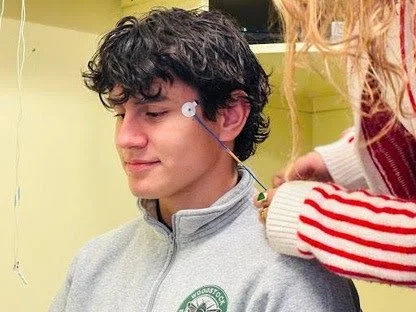
The Psychology Class went on a morning field trip to the Brain Waves Recording Lab at Dartmouth College last Wednesday to visit with Professor Donna Coch and her undergraduate research assistant, Nicole. Students worked with EEG technology as part of our study of the biological bases for behavior. Electroencephalography (EEG) and Electrooculography (EOG) measure the electrical field around the brain and turn it into waves on a screen. EEG doesn’t read minds, but can tell us how active or inactive the brain is while doing certain tasks, or sleeping.
How can this be useful for psychological research? Students suggested:
Comparing introverts to extroverts as they respond to stressful situations
I would experiment with music and see how participants would react to well known and established songs, versus lesser known new releases from more obscure artists…I’m also curious about responses to different genres, and how brain waves would be different depending on if the given genre was rock or classical, or pop or jazz.
Will there ever be a use for an EEG to detect things like dyslexia in an individual?
Take a child who has a hard time focusing vs a child who can pay attention and look at their brain waves to see exactly when the child loses focus: place different stimuli in front of both and see when the child loses focus.
A few student takeaways:
“Psychology includes lots of scientific aspects.”
“The process for EEG scans is still being refined”
“Brain waves during REM sleep is identical to brain waves when you’re awake…Alpha waves happen when you are more relaxed.”
“It was really difficult for Ethan to develop any alpha waves due to his focus.”
“Psychology can be a lot more interactive than I initially realized."
9th graders engage in stewardship & service learning
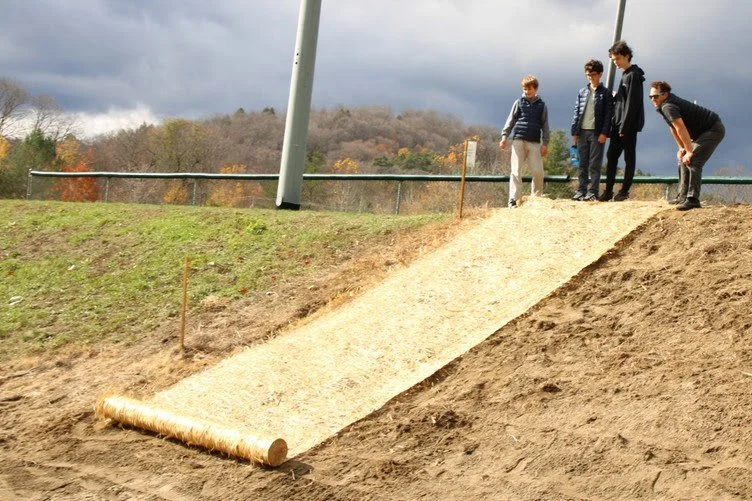
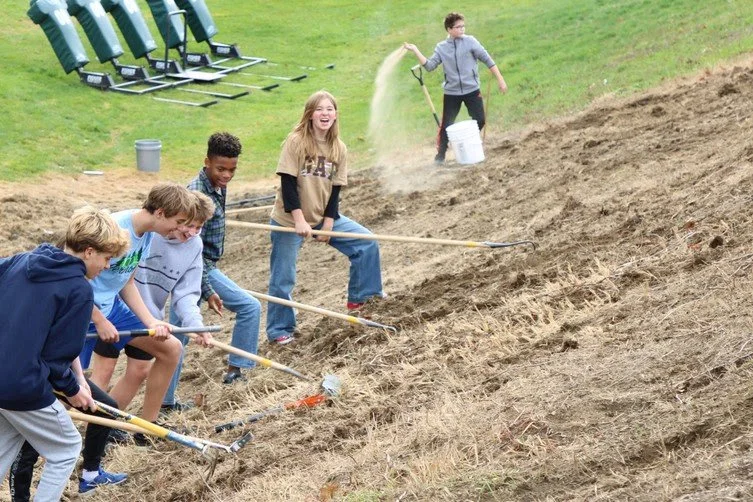
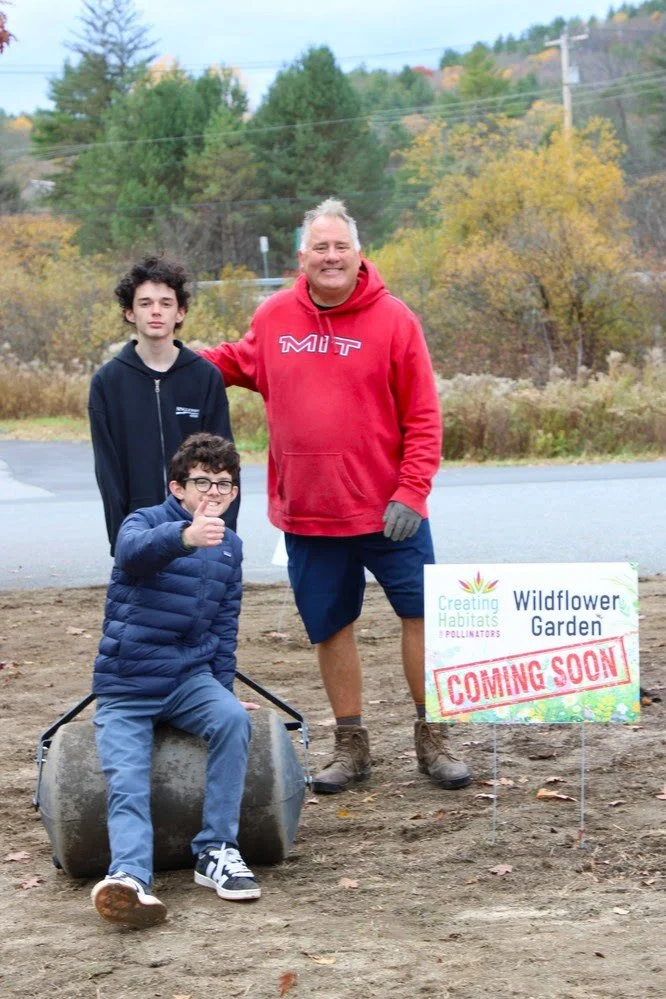
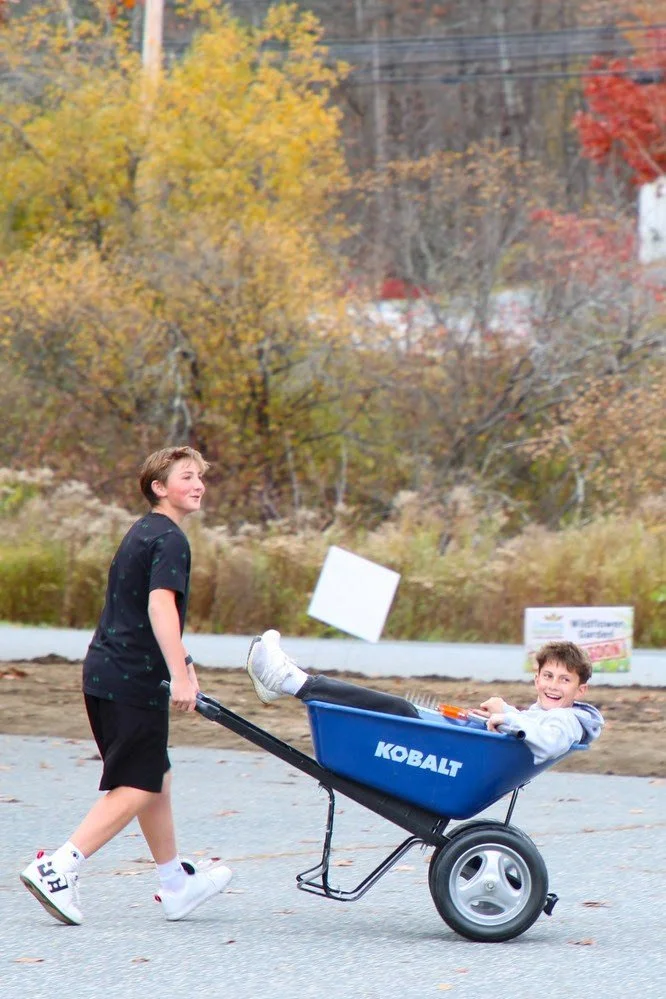
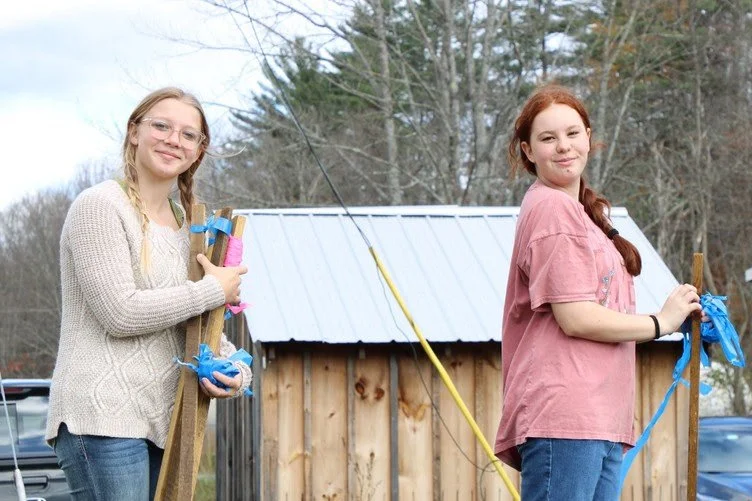
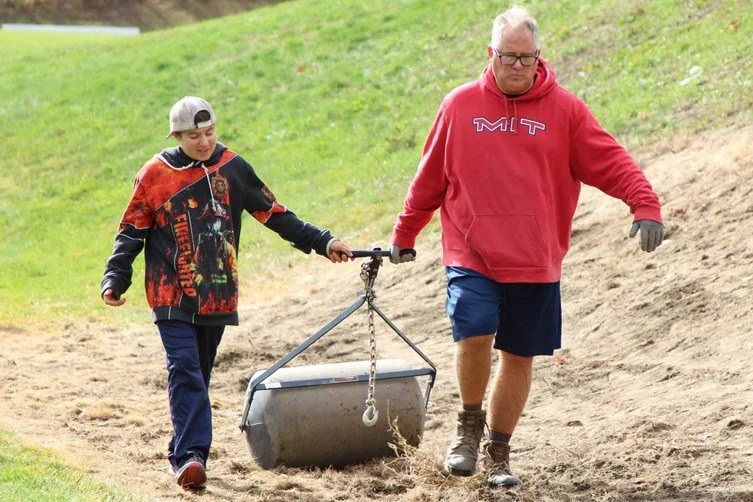
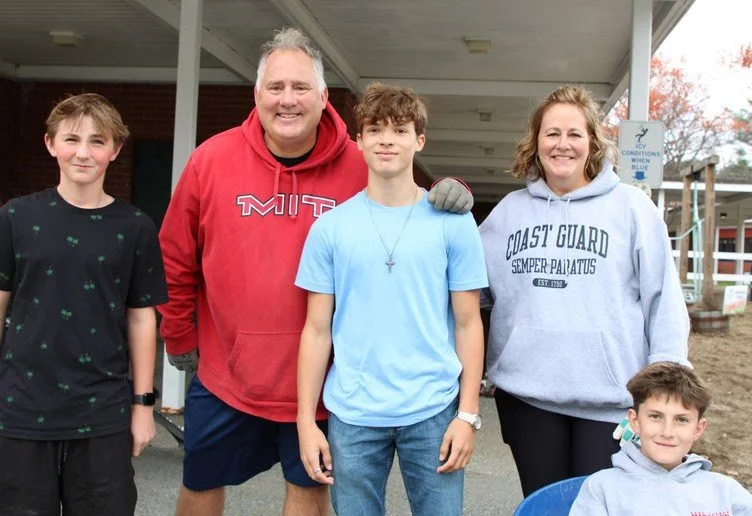
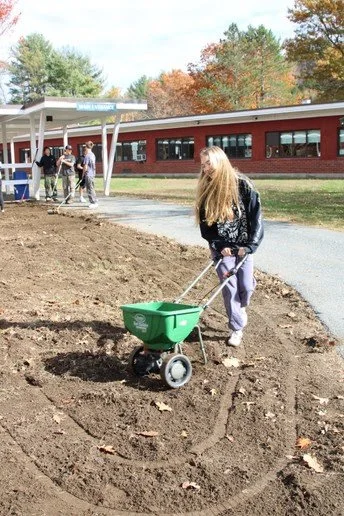
Last Thursday, the 9th grade students completed the final phase of preparing about 16,000 square feet of underused campus land to become a vibrant pollinator habitat. Working with community partner David Hammond, founder and director of Creating Habitat for Pollinators, students helped with the final tilling, then mixed, spread, and rolled native and annual seed mixes that will bloom next academic year. Students also cleaned up the pollinator hedgerow, labeled shrubs and trees, and learned how to harvest native seeds.
This collaborative, student-led project is part of WUHSMS’s CRAFT program and provides an authentic experience in service learning and environmental stewardship.
After the experience, students reflected on something they enjoyed, something they found challenging, and something they thought next year’s students might benefit from. Below are a few quotes that capture the reflection of students:
I really like getting seeds from the flowers and seeing all the different shapes and sizes. One thing that was challenging was separating the seeds from the other parts of the flowers. It was fun. - Sawyer
I enjoyed putting the tags on the plants. I had fun learning the types of plants in the hedgerow. Next year’s students benefit from the amount of pollinators that visit next year. - Heidi
I spread seeds, moved equipment with the wheel barrel, and ended with thatching the hillside. Moving things with the wheel barrel was really fun. I also enjoyed spreading seeds. - Benny
Next year’s students may have the pleasure of enjoying the presence of a higher biodiversity of butterflies. - Vitus
I found tilling to be the most fun because it was with my friends. I found raking the hill next to the football field challenging as it felt like little progress was being made. Next year’s students will benefit by having nice flower beds and a lot more pollinators on our school campus. - Bray
I enjoyed chilling outside and measuring a bit. It was a little hard to set the precise length of the rows [when calculating total square footage]. Next year’s students will have the plants, which will help them study pollinators easier. - Gray
Acknowledgements
This learning opportunity was made possible by David Hammond, Abbie Castriotta, Nick Wolfe, Lauren Sullivan-Justice, Jason Tarleton, Kat Robbins, Janis Boulbol, Kevin Nunan, Keith Brayton, Karen Ganey and Orion Binney, along with the many teachers who contribute their energy to prioritize wellness on our campus. Special thanks to our photographer, Monica Darling!
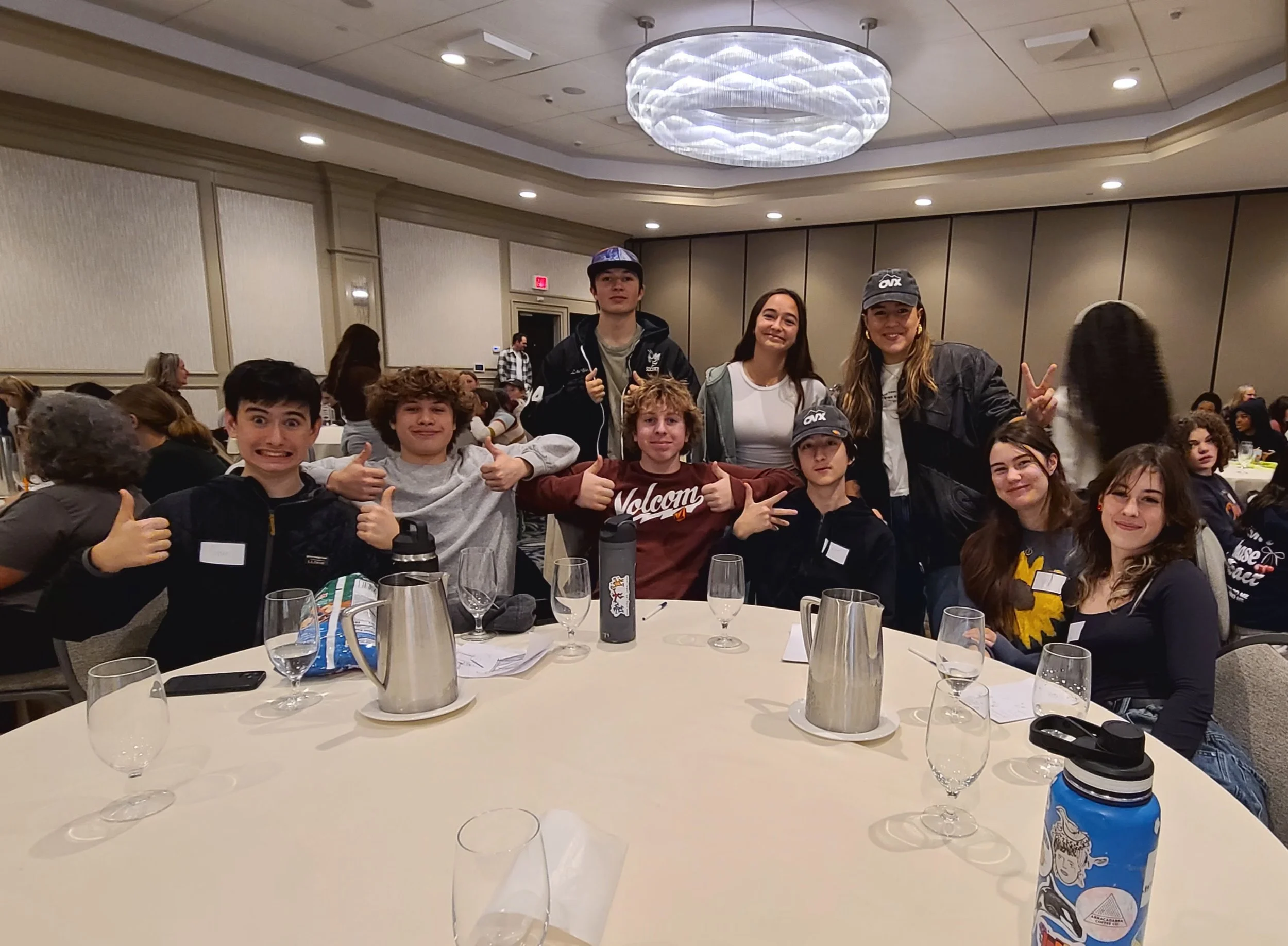
VTLSP/OVX attend the Youth Leadership Summit in Burlington
This event provided an exciting opportunity for students to learn about mental health and nicotine use prevention while actively engaging in the process of becoming educators and leaders within their schools. Through engaging workshops, students discovered how to use social media for good with support from the Stanford REACH Lab. Students explored creative ways to share important nicotine prevention lessons, all while connecting with a supportive network of like-minded youth from across Vermont.
Allison Lanoza named HATCH student of the month
Congratulations to Allison Lanoza who was named student of the month at the Hartford Area Career & Technology Center.
CRAFT grows with Pre-K students


By Sophia Rosenbach ‘26
Sometimes the most meaningful lessons do not happen in a classroom at all. This fall, CRAFT Immersive Semester students took learning outside by teaming up with Jacquelyn Thomason's pre-k class at Woodstock Elementary School to help restore Mt. Peg’s trails. Together, they worked to protect the trails of Mt. Peg by researching and planting native plants that can help reduce erosion, are deer-resistant, and can withstand harsh weather conditions. The project began in class, where CRAFT students investigated a variety of local plant species that could help address concerns such as reducing erosion and protecting habitats. With support from teachers and local environmental resources, students identified which plants would thrive on the steep terrain while strengthening the trail’s long-term health.
Next came the teamwork. As a next step, CRAFT students visited the Pre-K classroom to introduce the young learners to these plants by explaining what native plants are, how they differ, and why they are crucial to an ecosystem. These concerns and concepts were then applied to rotating learning stations. Each station included a slide with images and simple bullets about each plant, designed to inform preschoolers and help them understand how native plants support the environment. The goal was simple: make this experience engaging, fun, and accessible for everyone.
A week later, both groups met again; this time, outdoors on Mt. Peg. Students worked together in small teams to plant the species they had studied, transforming their research into real-world action. The Pre-K kids dug, planted, and learned right alongside their older student mentors, proudly contributing to the trails they love to explore. This collaboration showcased what can happen when education goes beyond the classroom: students of all ages gaining confidence, forming community connections, and making a positive environmental impact. The CRAFT students hope the plants they installed will grow strong and help keep the trail safe and sustainable for years to come.
* This project is also supported by the Equitable Climate Action Project program of the Upper Valley Teaching Place Collaborative.

Photo by Max Grudzinski