AP Environmental Science long term data collection
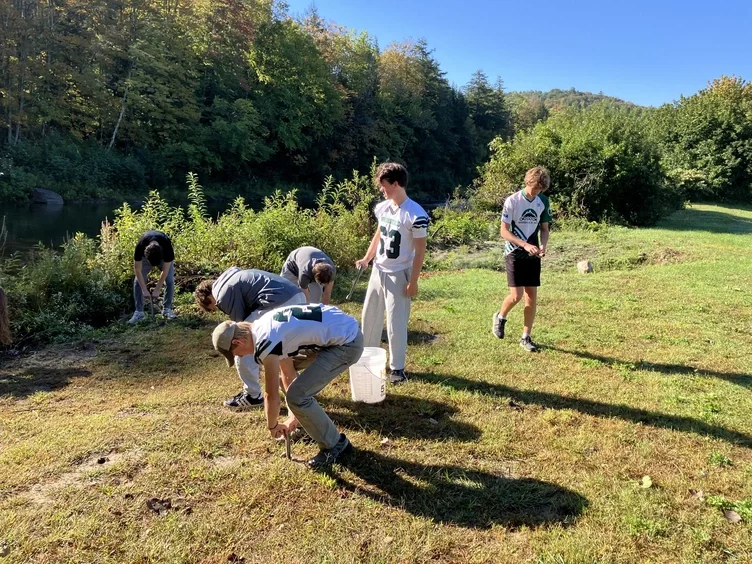
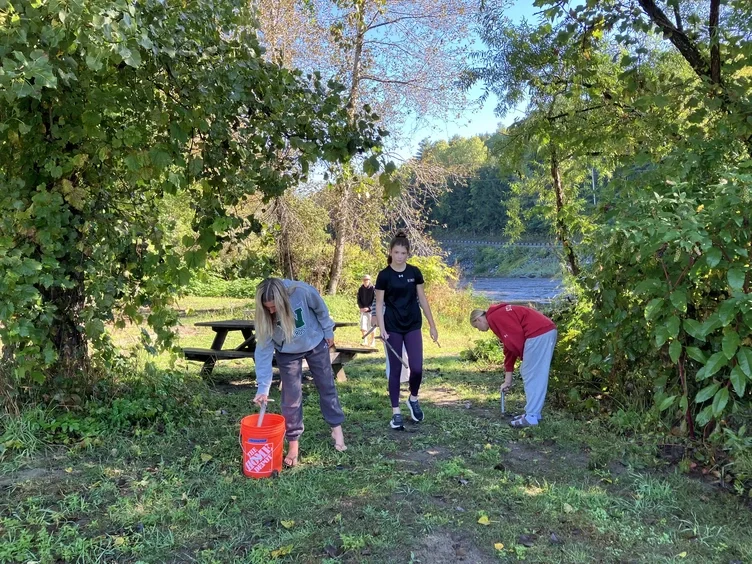
AP Environmental Science students have been putting their fieldwork to good use across the school forest, river, garden, and beyond.
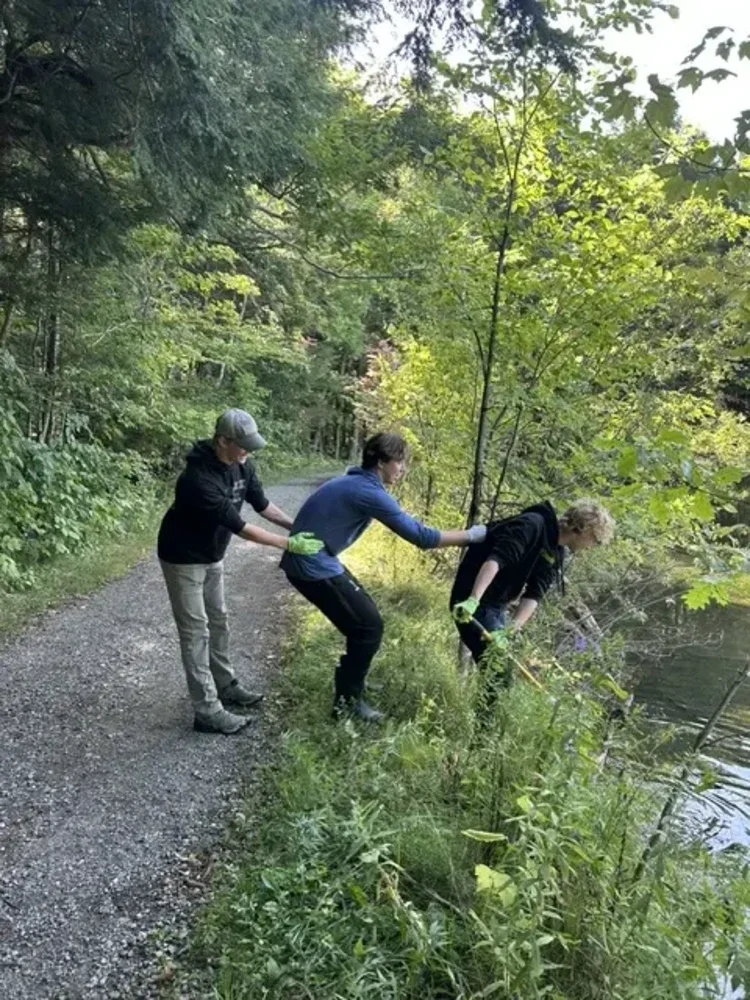
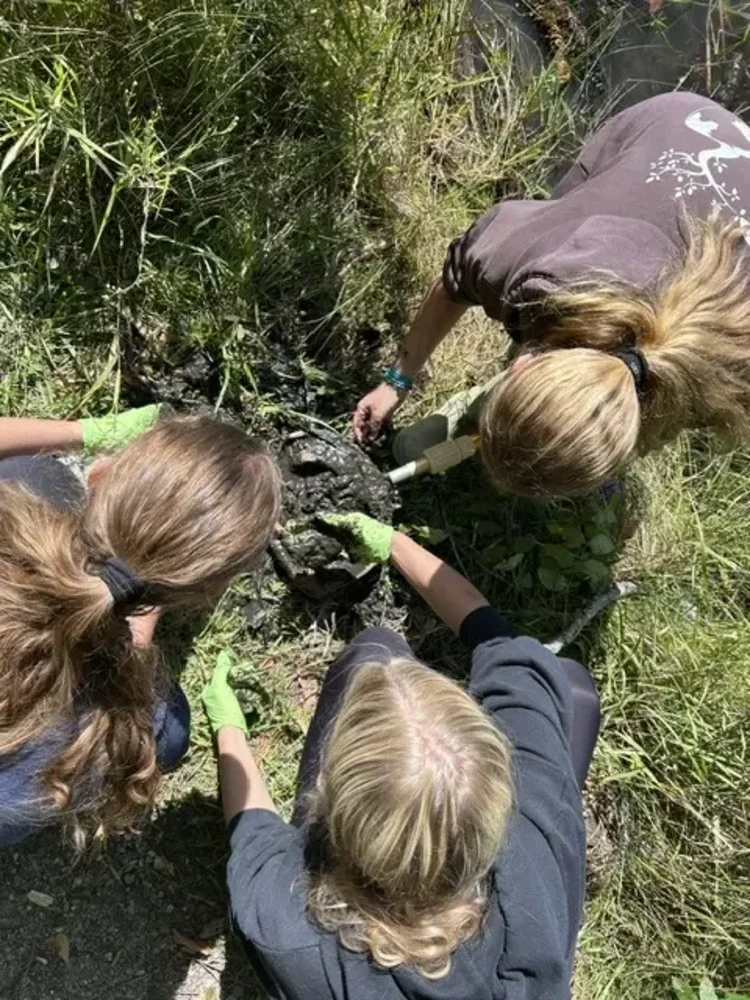
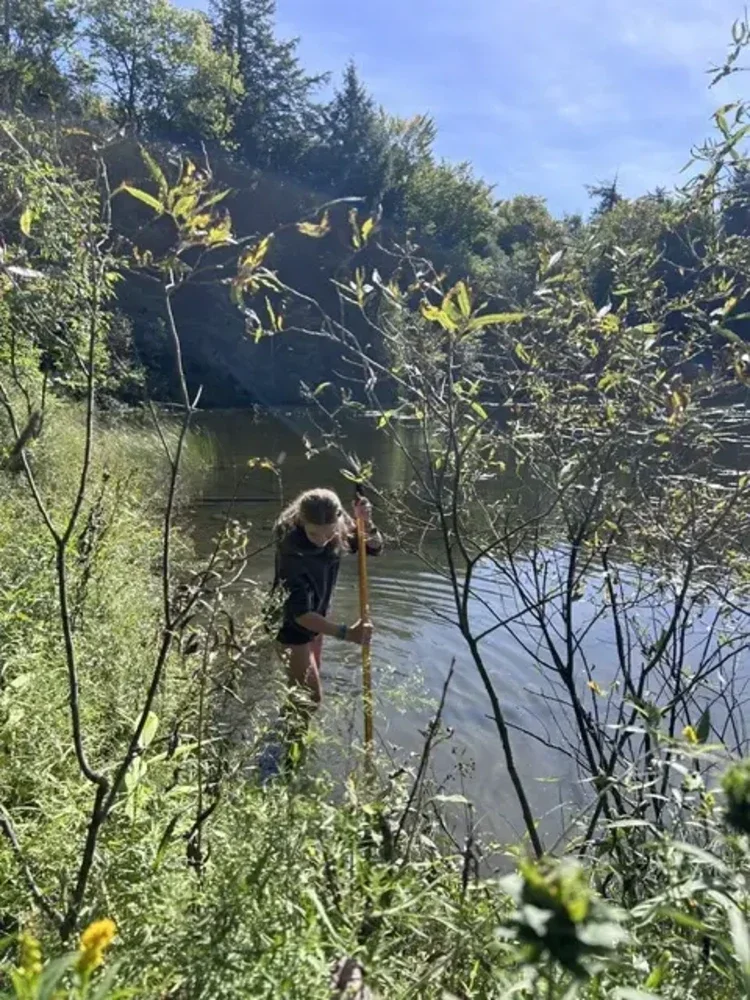
Between soil sampling at these three sites — now with six years of data collected — and a collaboration with National Park Service staff to gather dragonfly larvae from the Pogue at Marsh-Billings-Rockefeller, students are contributing to real, long-term environmental research.
For the dragonfly project, students learned about different families like Gomphidae and Cordulidae, and how, as predators, dragonflies bioaccumulate mercury up the food chain — making their larvae useful bioindicators. Samples will be sent to a lab for mercury analysis and added to hundreds of other data points gathered nationwide over the project's 12-year history. Check out The Dragonfly Mercury Project for more information.